
 English
 中文

Bulletin
CropWatch bulletinMenu
Authors: Jingkangjian | Edit: tianfuyou
This monitoring period coincides with the peak of Indonesia’s rainy season, during which rice is mainly cultivated on the islands of Java, Sumatra, and Sulawesi. The monitoring period covers the sowing and growth peak of Indonesia’s rice, with harvest expected between March and April 2025.
Remote sensing data indicate that Indonesia's rice area has decreased by 96,200 hectares this season compared to last year, a decrease of about 5%. The rice yield is expected to decrease by 5.3%, with an average yield of 4.3 tons per hectare (Figure 2.5). This is primarily due to intense rainfall during the monitoring period, which led to widespread flooding in many areas. The main rice-producing regions of Java and Sulawesi were severely affected, with prolonged heavy rainfall damaging farmland, reducing photosynthetically active radiation, and inhibiting rice growth. In particular, cumulative rainfall in Java was 27% higher than the 15-year average, while photosynthetically active radiation decreased by 5%. These combined factors have resulted in a sharp 10% decrease in total production, down to 8.039 million tons. The CPI in core production areas has fallen below the critical threshold of 1, indicating that the country's crop production situation did not meet expectations (see Chapter 3).
Indonesia is a major rice producer in the region, but the country still needs to import a certain amount of rice each year. This reduction in production will increase the pressure on domestic rice supply. As the region’s rice crops are currently in the crucial yield formation period, CropWatch will closely monitor changes in rice growth and provide dynamic updates on the yield.
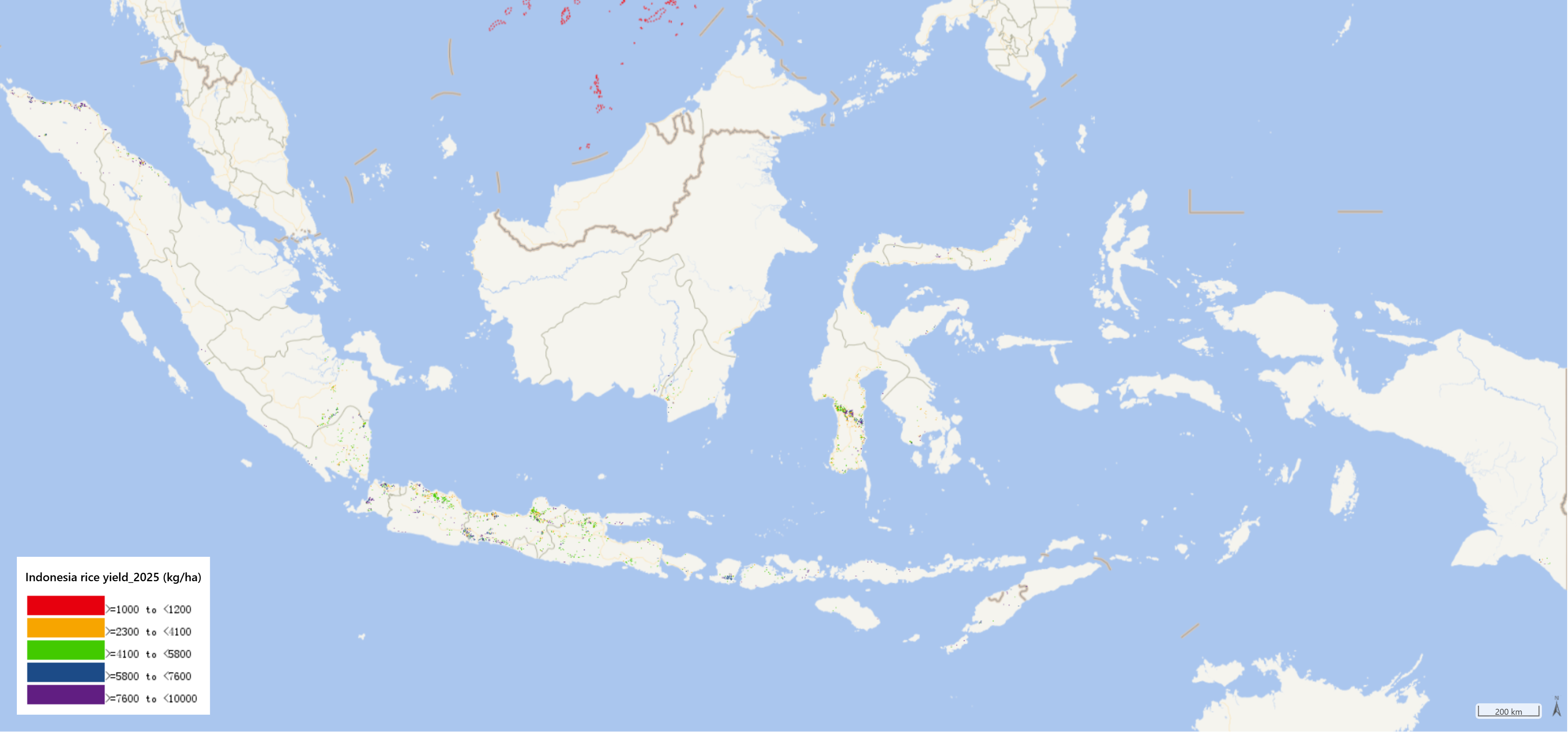
Fig 4 Distribution of rice yields in Indonesia, 2025

Figure 5: Floods in Indonesia Resulting in Destruction of Forests and Farmlands (sourced from the Indonesian National Disaster Management Agency, https://bnpb.go.id/)