
 English
 中文

Bulletin
CropWatch bulletinMenu
Authors: lirui | Edit: tianfuyou
In January, the hottest month on record globally, the largest increase in farmland temperatures worldwide concentrates in the Western Asia and Eastern Europe regions of the Eurasian continent. During the same period in January, the snow cover in the central part of the Eurasian continent, especially on the farmland along the Black Sea coast, decreased significantly. This abnormal phenomenon may have an adverse impact on the subsequent growth of crops. Therefore, during the crop growth season, it is necessary to closely monitor the soil moisture conditions and the occurrence of pests and diseases in the hinterland of the Eurasian continent.
The temperature increase of global farmland presents a pattern of "higher in the north and lower in the south"
Based on the NCEP reanalysis meteorological data of January 2025, the temperature increase of global farmland presented a pattern of "higher in the north and lower in the south". The areas where the temperature increase exceeded 2℃ were mainly concentrated in the central part of the Eurasian continent between 50°N and 60°N. This is opposite to the pattern of "lower in the north and higher in the south" shown by the zonal profile of the temperature change of global agricultural land in the same period of January 2024.
By further comparing the zonal profiles of temperatures in other months during the monitoring period (November and December 2024), it can be seen that the pattern of "higher in the north and lower in the south" in temperature increase emerged in December of the previous year and was more obvious in January. As the largest continent in the world, the temperature increase in the hinterland of the Eurasian continent would have a significant impact on the global heat balance and circulation conditions.
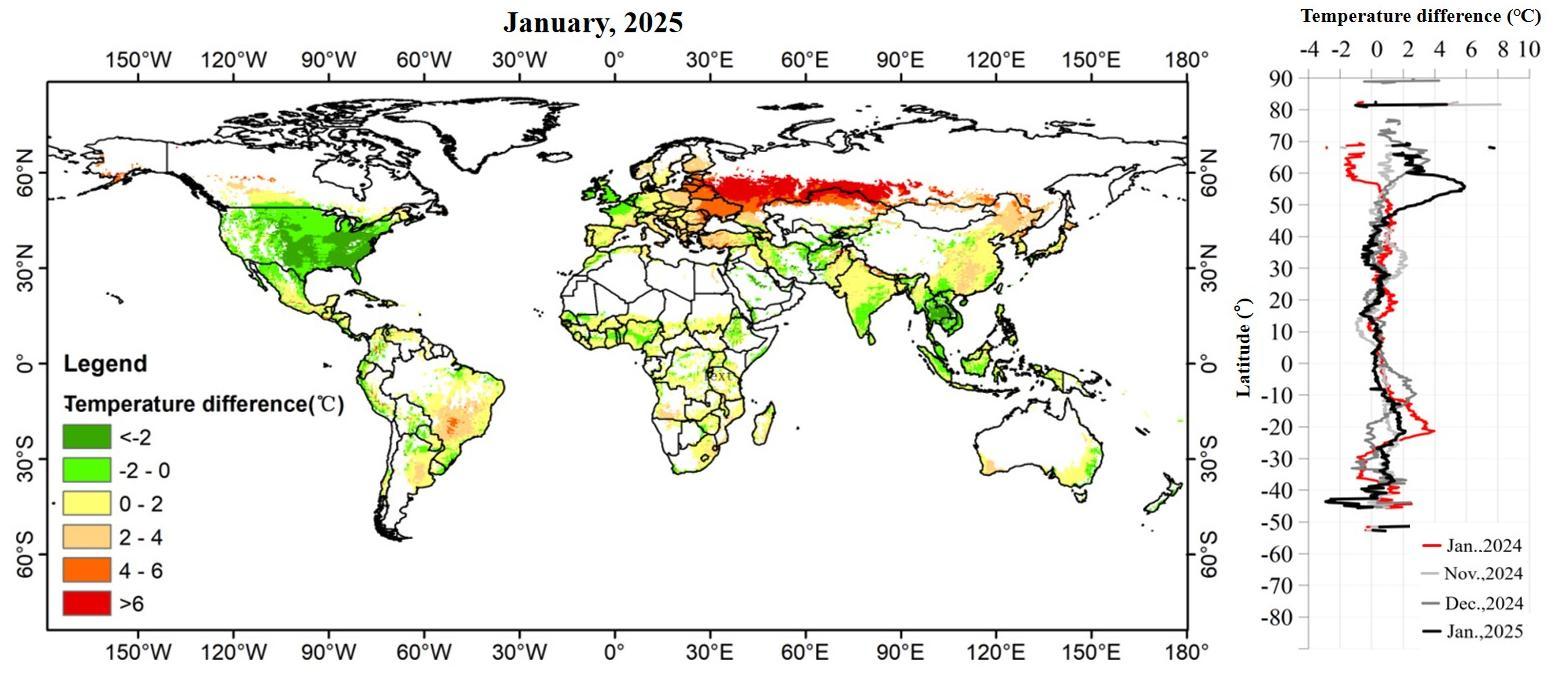
Figure2.9 The abnormal of the temperature of global farmland in January 2025
The impact of temperature rise on pests and diseases
The rising temperature is profoundly influencing the ecosystem, especially the occurrence patterns of pests and diseases. Research shows that the temperature increase may accelerate the development rate of pests, increase the number of generations of pest reproduction, and thus exacerbate the harm degree of pests and diseases. During the monitoring period from October 2024 to January 2025, severe locust plagues broke out in low-latitude regions such as Sudan, Eritrea, and Niger. A large number of locusts rampaged through farmlands, posing a huge threat to local agricultural production. Meanwhile, a small number of locusts were also detected in countries like Saudi Arabia, India, Pakistan, and Iran.The Eurasian continent is currently facing the phenomenon of abnormal warming. With the progress of spring sowing, the resurgence dynamics of overwintering pests will directly affect the growth of crops. Therefore, relevant departments and agricultural practitioners need to focus on this critical period and strengthen the monitoring and early warning of overwintering pests.
The snow cover on the farmlands in the central part of Eurasia has decreased significantly
The Global Climate Monitoring Report indicates that compared with the same period in normal years, the snow-covered area in Eurasia was smaller in January 2025. Based on the analysis on MODIS 500m snow cover dataset from 2009 to 2025, it can be seen that in January 2025, the areas with a serious reduction in snow cover on farmland in Eurasia (excluding South Asia and Southeast Asia) are located in the Russian Caucasus region and the chernozem region around the Black Sea, the Anatolian Plateau in Turkey, Syria, the southern and eastern plains of Romania, the northern wheat - growing area of Ukraine, and Belarus. The snow cover in central Kazakhstan, western Siberia, and the northwest of Russia is also less than the normal years (Figure 2.10).
Studies have shown that in recent years, the sea-ice coverage area in the Arctic region has reached a historical low. After the snow and sea ice melt, the darker surface of the Earth is exposed, making the Earth more likely to absorb the heat energy in sunlight, which may lead to a significant temperature increase in the Northern Hemisphere. When the snow cover is too thin, the insufficient water resource from snowmelt in spring would result in the deterioration of soil moisture conditions, and further having a negative impact on the sowing time and growth of crops.
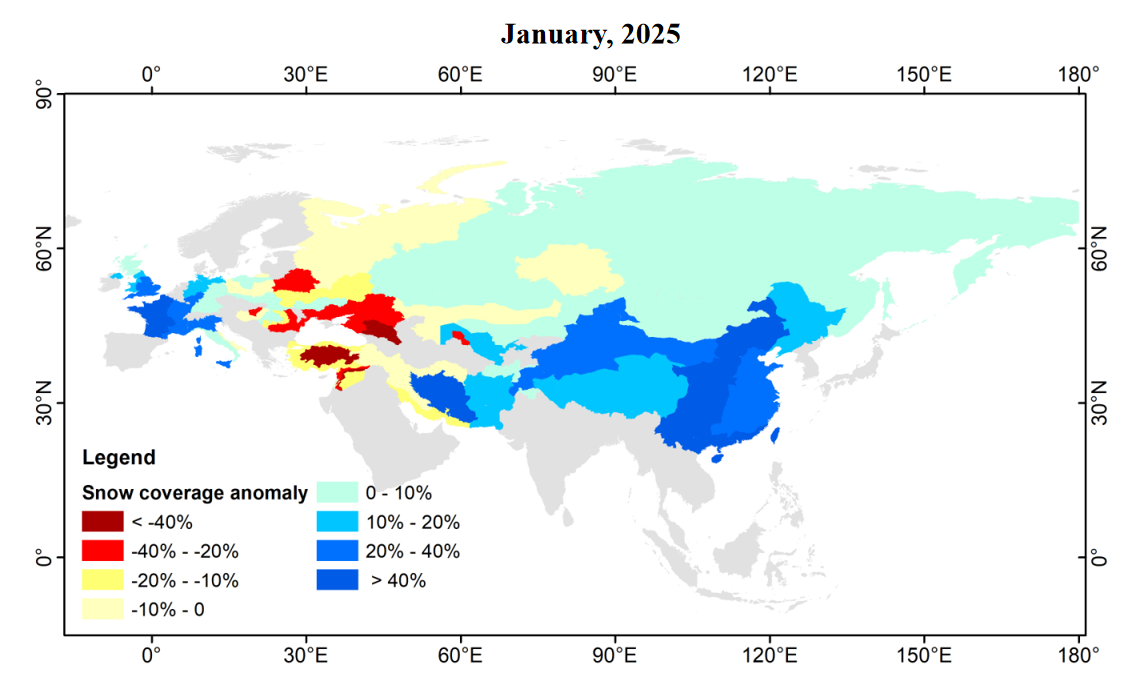
Figure 2.10 Anomaly of the Maximum Snow Cover Area of Farmland in the Agro-ecological Zones of Eurasian continent