
 English
 中文

Bulletin
CropWatch bulletinMenu
Authors: lijunbin | Edit: tianfuyou
According to CropWatch monitoring results, during the monitoring period, Vietnam's paddy rice cultivation was primarily distributed in the Mekong River Delta and the South-Central regions (Fig. 2.6). In 2025, the planting area of Vietnam's winter-spring paddy rice reached 2,378.4 thousand hectares, showing a 0.3% decrease compared to 2024. This reduction is mainly attributed to typhoon-induced cropland damage and rice field flooding, which significantly impacted rice sowing and growth processes [1-2].
CropWatch yield prediction model results reveal that the rice yield in 2025 is 4.66 ton/ha, with 2.0% decrease compared to 2024. The rice yield in the coastal and north-central regions of Vietnam is relatively low (Fig. 2.6), which is closely related to unfavorable agro-meteorological conditions.
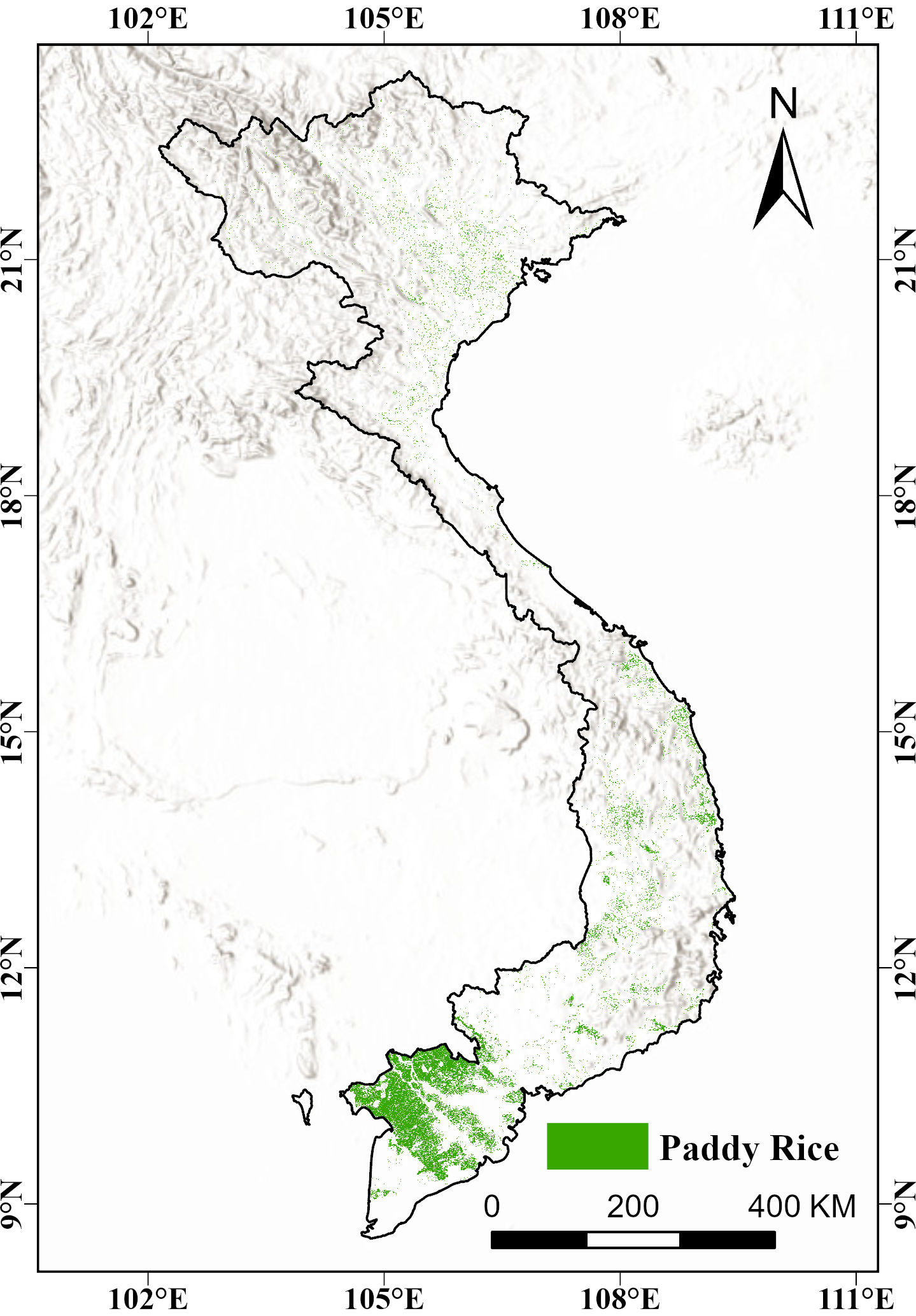  | 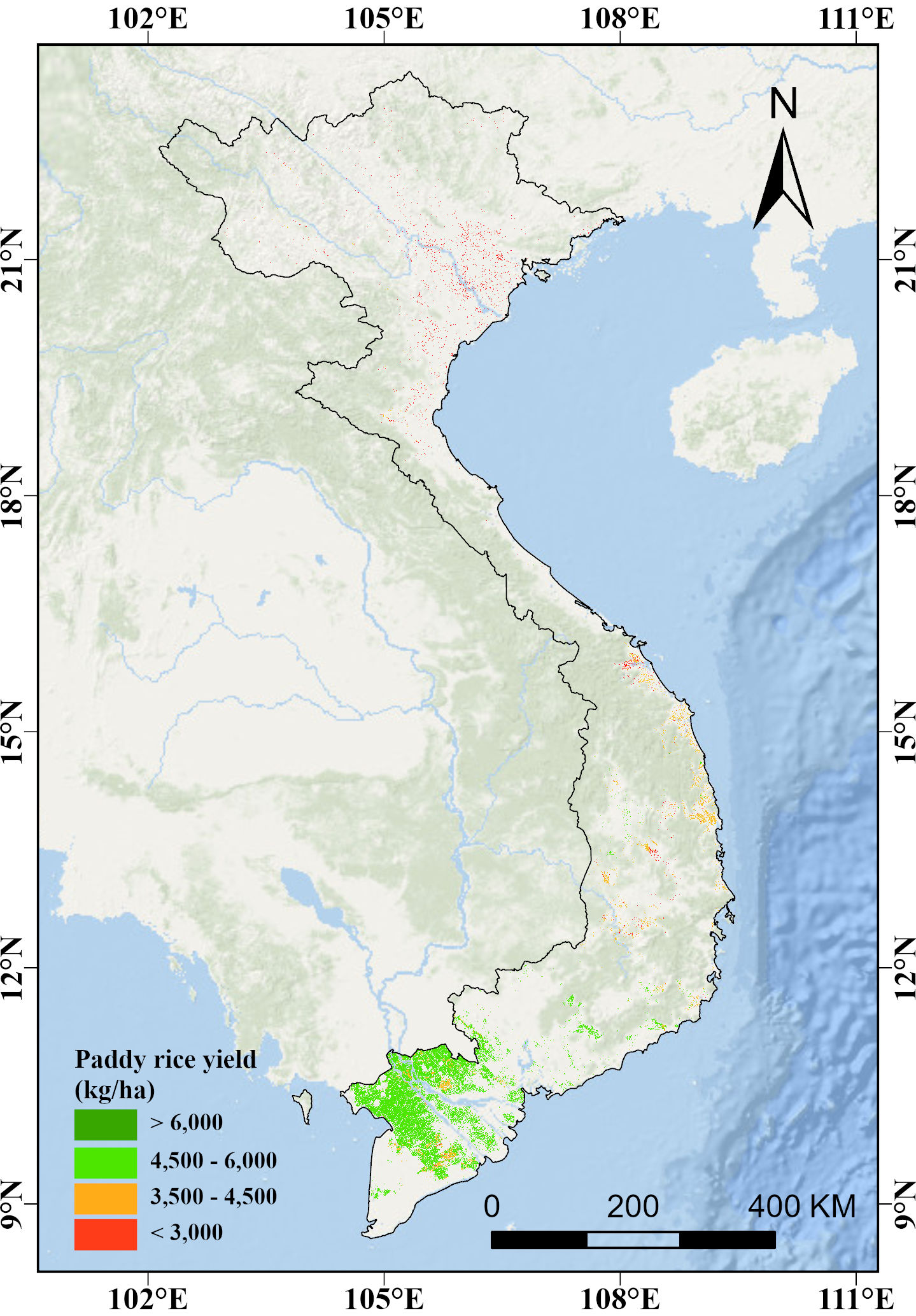 |
| Fig. 2.6. Spatial distribution of paddy rice cultivation and yield in Vietnam during the monitoring period | |
During the monitoring period, cumulative precipitation was 543 mm (7.0% below the 15-year average), causing significant drought stress in rainfed agricultural zones;
Temperature increased by 0.1°C and photosynthetic active radiation increased by 6.0% compared to the 15-year average, which could promote the photosynthesis of rice. However, lack of precipitation constrained water use efficiency, resulting in 5.0% reduction in potential biomass compared to 2024, which reduced the yield potential of rice.
Due to the double decline in cultivated area and yield, Vietnam's total rice production is expected to be 11.08 million tons in 2025, which is 2.4% lower than 2024.
It is recommended to strengthen the construction of irrigation infrastructure to enhance drought resistance capacity.
Closely monitor international market dynamics and optimize planting structures in a timely manner.
Strengthen extreme weather monitoring and early warning systems, ensuring timely dissemination of disaster alerts to minimize agricultural losses.