
 English
 中文

Bulletin
CropWatch bulletinMenu
Authors: qinxl,lirui | Edit: qinxl
1. Global Overall Situation
The global Crop Production Index (CroPI) for January-March 2025 was 1.00, exactly at the baseline level, showing a decrease compared to 1.09 in the same period of 2024. The Northern Hemisphere CroPI fell to 0.98, dropping below the baseline for the first time; the Southern Hemisphere was at 1.03; and tropical regions at 1.02. This "strong south, weak north" characteristic is closely related to the regional differentiation of current global agrometeorological conditions.
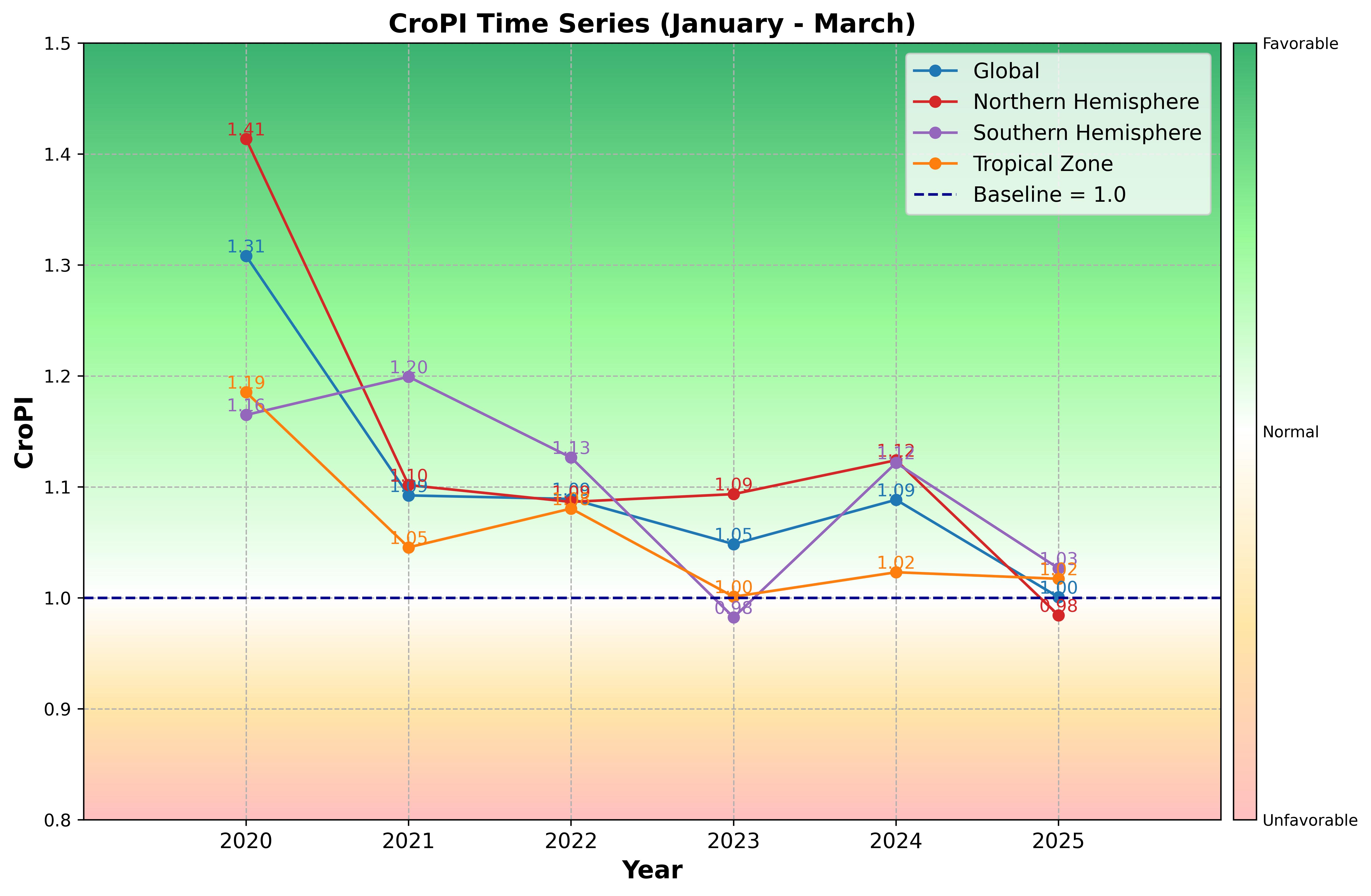
Figure 1.1 Global CroPI Time Series Trends by Region, 2020-2025
Time series data from 2020 to 2025 shows that the global CroPI has been declining continuously, from 1.31 in 2020 to 1.00 in 2025. The Northern Hemisphere showed the most significant decrease, from 1.41 to 0.98. This trend is closely related to the increase in extreme weather events against the backdrop of global climate change, especially during this monitoring period when approximately 34% of agricultural areas received precipitation more than 30% below normal, while about 59% of regions experienced temperatures more than 1.5°C above normal, creating widespread heat and drought stress.
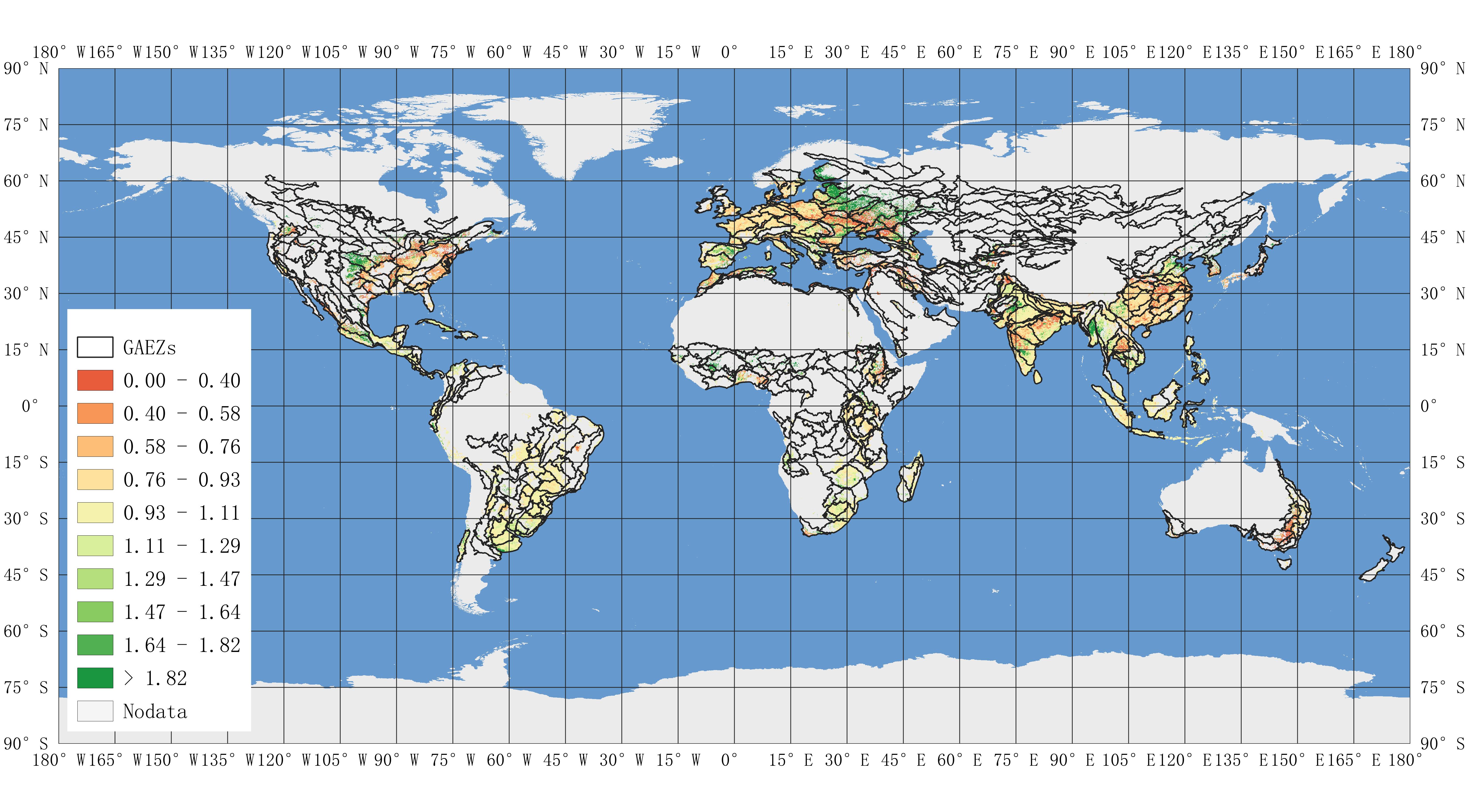
Figure 1.2 Global CroPI Distribution Map for January-March 2025
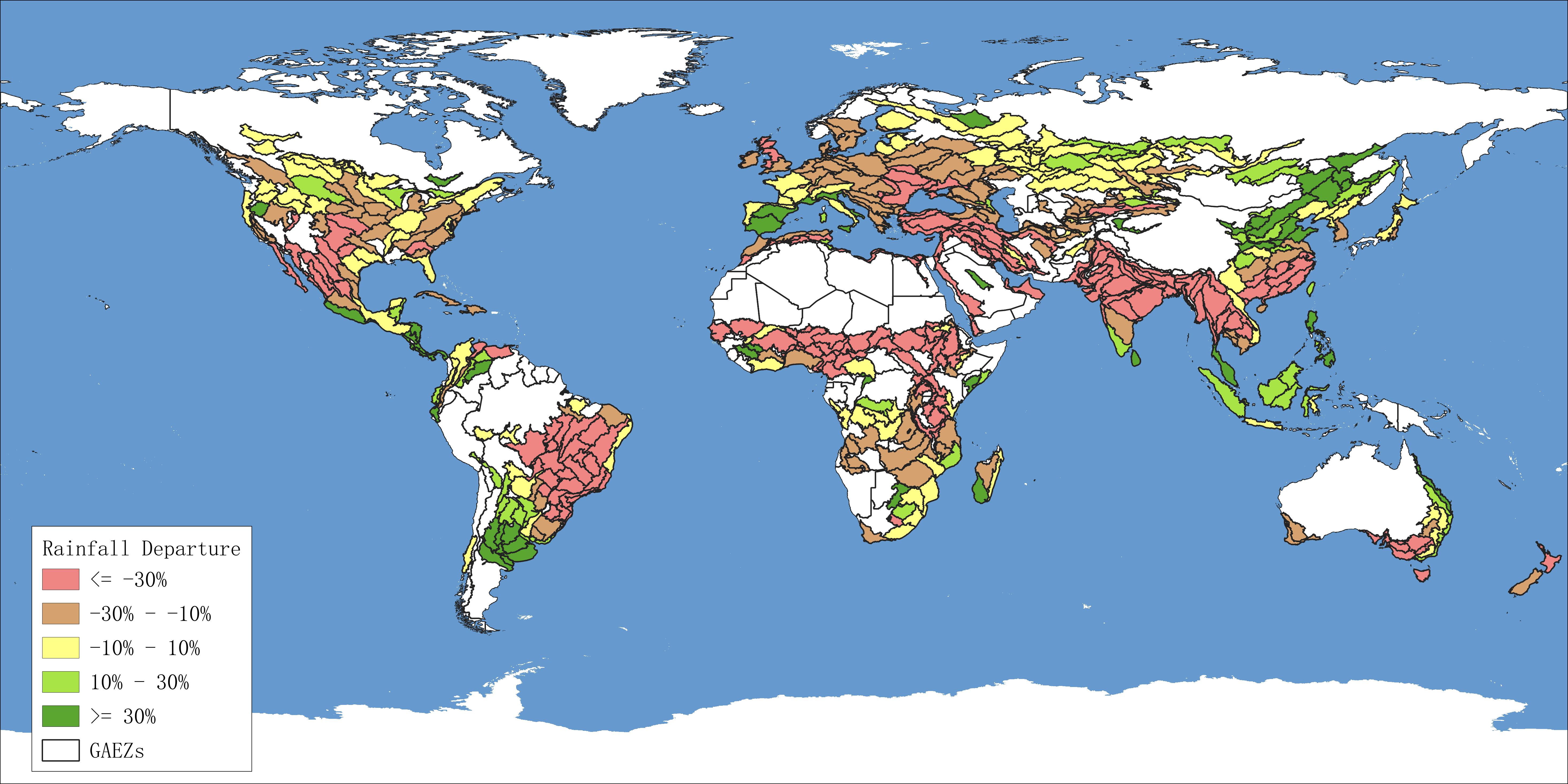
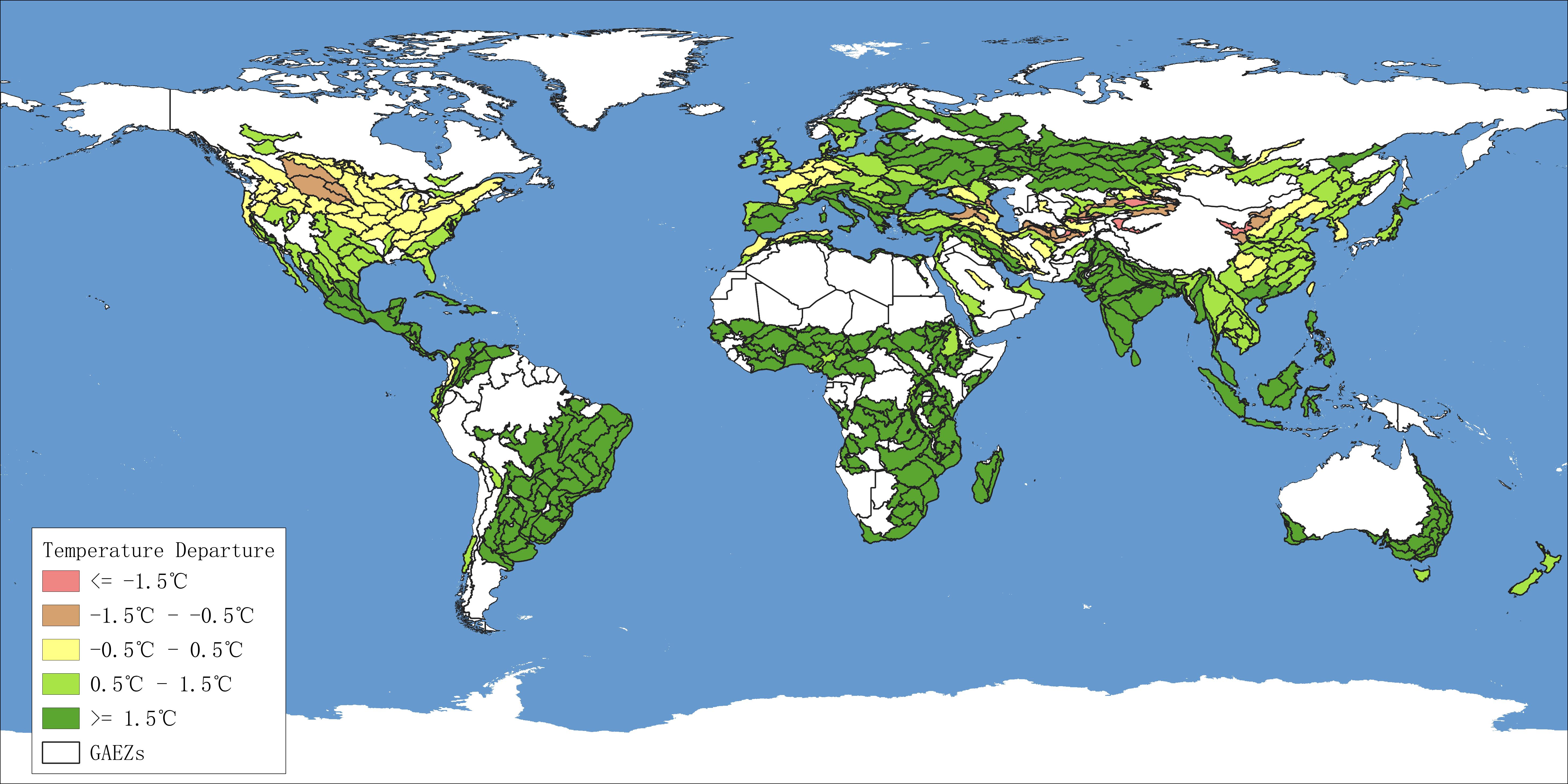
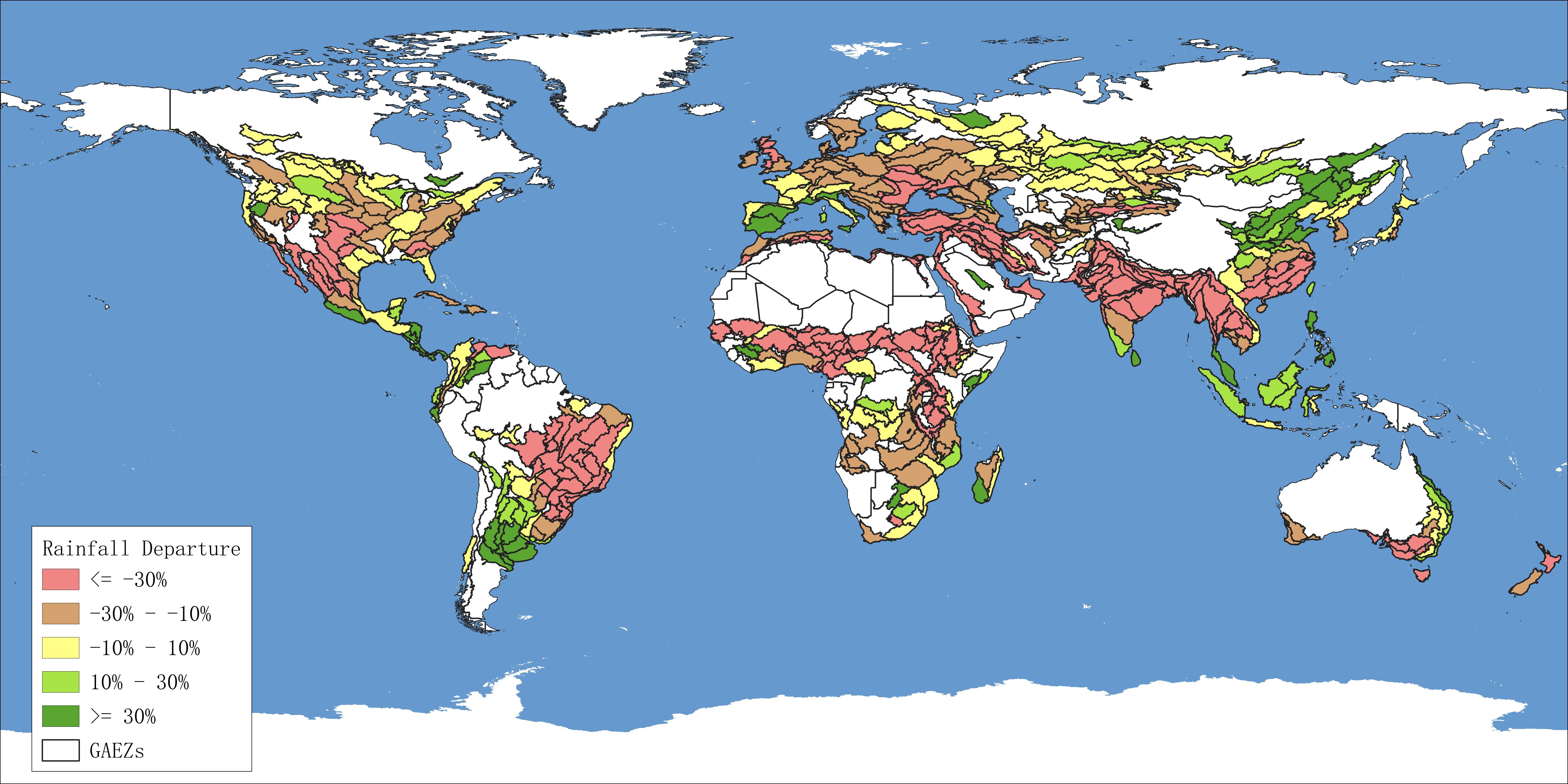
Figure 1.3 Global Agrometeorological Indicators Compared to 15-year Average for January-March 2025 (Cumulative Precipitation, Average Temperature, Photosynthetically Active Radiation, Potential Biomass)
U.S. Great Plains: Favorable Outlook in Central Areas, Water Stress in the South
The U.S. Great Plains is forecasted to experience a yield reduction of approximately 4.3%, primarily due to water stress. The central Great Plains region shows relatively favorable conditions (CroPI>1.11), while the southern Great Plains region shows slightly worse production conditions (<0.93). This distribution is highly consistent with regional precipitation differences—central areas received near-normal precipitation, while the south experienced more than 10% precipitation deficit. Meanwhile, photosynthetically active radiation increased throughout the region (>10%), but in water-deficient southern areas, higher radiation may exacerbate drought stress.
South America: Intensifying Heat and Drought Stress in Brazil, Relatively Stable Performance in Argentina
The CroPI for major agricultural areas in Brazil and Argentina ranges between 0.93-1.29, generally normal overall. However, potential biomass analysis shows that large areas of central and eastern Brazil experienced more than 10% reduction in potential biomass, directly related to severe heat and drought stress with precipitation deficits exceeding 30% and temperatures more than 1.5°C above normal. Argentina's soybean yield decreased by 1.5% and maize yield by 2%, while Brazil's soybean yield decreased by 1%, mainly because water stress limited crop utilization efficiency under abundant light conditions.
Europe: Favorable Light and Heat Conditions in Eastern Europe, Worsening Drought Along the Mediterranean
Parts of Northern and Eastern Europe show CroPI>1.47, making them among the best-performing regions globally. This is consistent with the analysis showing significantly increased potential biomass (>10%) in these regions, mainly benefiting from the synergistic effects of moderate temperatures and enhanced solar radiation. In contrast, Central and Western Europe showed more neutral performance, while Mediterranean countries faced severe water stress with precipitation deficits generally exceeding 30%, resulting in significant reductions in potential biomass.
China: Clear North-South Divide, Favorable Winter Wheat Growth in North China
The overall situation in Southwest China, South China, and the middle and lower reaches of the Yangtze River is unfavorable, mainly due to a once-in-10-year drought that occurred in March, significantly increasing the water stress index. From January to March, Southwest China experienced a 49% reduction in cumulative precipitation, with an agricultural drought mitigation index of 22%, while South China experienced 37% below-normal precipitation with an agricultural drought mitigation index of only 6%, indicating significant drought impact. North China showed better conditions, favorable for winter wheat growth, consistent with near-normal precipitation and moderately enhanced photosynthetically active radiation (5-10%) in the region.
South Asia: Water Stress as the Main Limiting Factor, Concerning Outlook for Winter Crops
The Indian subcontinent shows CroPI values of 0.58-0.93, generally below normal levels, due to poor agrometeorological conditions and widespread reduction in potential biomass (<-10%). Water stress is the main limiting factor, with precipitation deficits exceeding 30%, severely affecting winter crop growth and development, with predicted yield decreases exceeding 13%.
Southeast Asia: Uneven Water and Heat Conditions, Below-Average Dry Season Rice Status
Indonesia and Malaysia in Southeast Asia have balanced water and heat conditions, but the Indochina Peninsula experienced significantly reduced precipitation and higher temperatures, leading to generally lower biomass (<-10%). The CroPI also shows varying crop growth conditions across the region, with Cambodia and Vietnam in the Indochina Peninsula showing better conditions, while Thailand and Laos are experiencing slightly worse situations, resulting in a small decrease in dry season rice yields.
Africa: Worsening Drought in Equatorial Regions, Signs of Recovery in Southern Regions
The overall situation in equatorial Africa is unfavorable, while Southern Africa is generally normal. Precipitation data shows that rainfall deficits in equatorial African regions generally exceed 30%, including worsening drought in countries like Nigeria, with biomass generally reduced by more than 10%. However, some areas in Southern Africa have seen precipitation recovery, alleviating drought conditions.
Australia: Emerging Drought in the East, Challenges for Next Season's Planting
Agricultural areas in eastern and southern Australia show unfavorable conditions, mainly affected by drought emerging since February, with potential biomass more than 10% below normal levels. Although the main crops in this region were harvested in January, continued drought may affect planting preparations for the next season.
2. Global Drought Situation and Outlook
From January to March 2025, global drought conditions showed a continuous expansion trend, from 20.7% in January to 22.6% in February, and by mid-March, 37.7% of eco-agricultural areas experienced drought events with a 5-year or longer return period. In January 2025, droughts with 10-year or longer return period occurred along the Black Sea coast and parts of the Indochina Peninsula in Asia, while droughts with 5-10 year return period mainly affected the middle reaches of the Yellow River and lower reaches of the Yangtze River in China, the western Great Lakes region in the United States, and northern Madagascar. In February 2025, drought in the Black Sea's southern shore in the Eurasian heartland eased to some extent, while drought emerged in eastern Australia, and drought intensified in parts of Brazil and Argentina in South America, as well as in Nigeria and other countries in central Africa, with 5-10 year droughts occurring in parts of Congo and southern Tanzania. In March 2025, the area affected by droughts with a 10-year or longer return period further expanded in the Eurasian heartland, extending eastward to Central Asia, Iran, and Turkey, and westward to Poland, Germany, and the United Kingdom in Europe. Once-in-ten-year or more severe droughts also occurred in the south-central United States, South China and the middle and lower reaches of the Yangtze River, and parts of eastern Brazil.
Notably, the actual impact of these droughts on agricultural production varies depending on irrigation conditions. Although the North China Plain faced drought conditions, it benefited from a well-developed irrigation infrastructure network that effectively mitigated the impact of drought on agricultural production, with an Agricultural Drought Area Mitigation (ADAC) index of -0.7, meaning 70% of farmland did not experience actual agricultural drought. In contrast, despite generally good irrigation conditions in southern China, highland fields and areas at the end of irrigation systems still faced significant drought impacts due to insufficient irrigation conditions combined with persistent precipitation deficits, with an ADAC of only -0.3. India, as the country with the largest irrigated cropland area globally (approximately 95 million hectares), despite its high overall irrigation ratio, experienced significantly worsening meteorological drought conditions in northern irrigated areas in March. Monitoring data showed severe high-temperature drought conditions in India, with precipitation 99.3% below the 15-year average and average temperature 71.2% above normal. These extreme meteorological conditions meant that even with irrigation, the impact of drought could still be very severe. The severe drought in these regions is directly reflected in significant reductions in potential biomass, explaining the poor CroPI performance in the corresponding areas.
Figure 1.4 Evaportranspiration Deficit Drought Index for Farmland in Global Agroecological Zone (Mid-January 2025)
Figure 1.5 Evaportranspiration Deficit Drought Index for Farmland in Global Agroecological Zone (Mid-February 2025)
Figure 1.6 Evaportranspiration Deficit Drought Index for Farmland in Global Agroecological Zone(Mid-March 2025)
Since January 2024, the overall Palmer Drought Severity Index (PDSI) for global rainfed agricultural areas has been on a downward trend, with mild drought emerging at the end of 2024, worsening to moderate drought during the January-March monitoring period, reaching its lowest point in March 2025. From this turning point, drought conditions gradually improved in April 2025.
The latest NOAA ENSO report shows that La Niña has ended, and the tropical Pacific has transitioned to ENSO-neutral conditions, which are expected to continue throughout the Northern Hemisphere summer and remain the most likely state into autumn (probability exceeding 50%). TIGGE ensemble forecasts for late April 2025 and NCEP CFSV2 E3 precipitation and temperature prediction products for May and June all indicate that climate conditions in rainfed agricultural areas may improve in the future, with the PDSI in global rainfed agricultural areas expected to moderate from moderate drought to mild drought in May-June. Compared to January-March, drought conditions may worsen in April-June in parts of central and northern Europe, western India, southern Ukraine and Russia, and eastern China, requiring timely drought management.
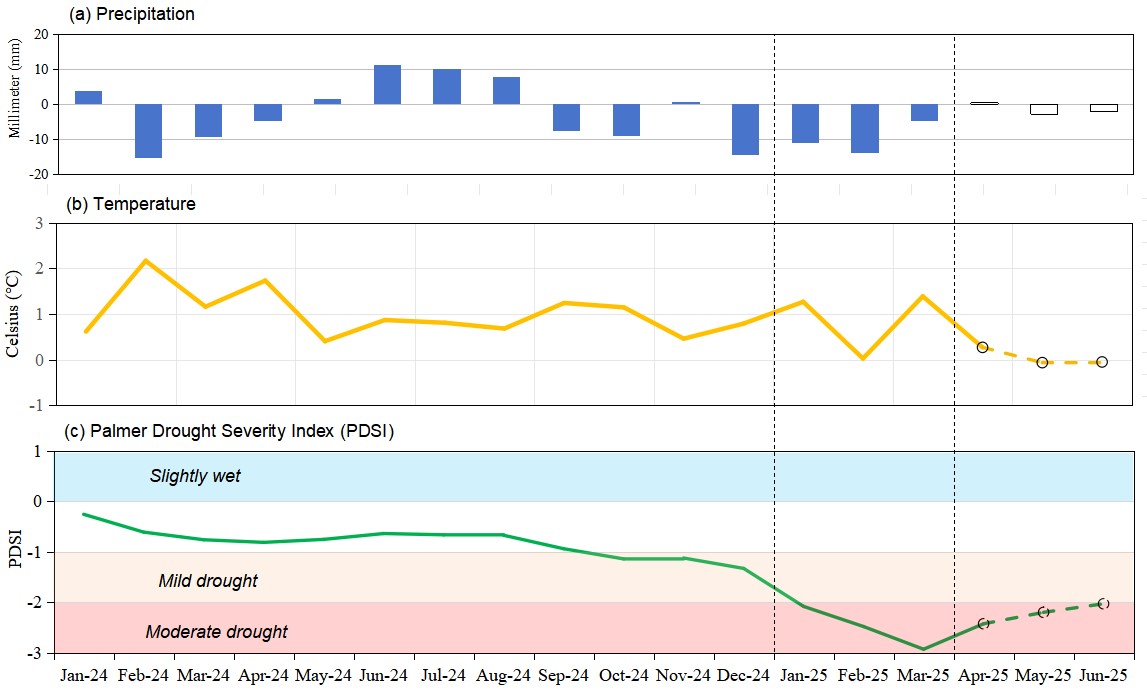

Figure 1.7 Monthly PDSI Changes in Global Rainfed Agricultural Areas (left) and Predicted PDSI Difference Between April-June 2025 and January-March 2025 in Rainfed Agricultural Areas (right)
3. Outlook
The global agricultural production situation from January to March 2025 shows clear regional differentiation, directly related to the polarized distribution of global meteorological conditions. About 35% of agricultural areas experienced potential biomass more than 10% below normal levels, mainly concentrated in the Middle East, West Asia, South Asia, Mediterranean coast, central and eastern Brazil, and southwestern United States. These regions generally face severe combined heat and drought stress, with precipitation deficits exceeding 30% and temperatures more than 1.5°C above normal.
In contrast, about 25% of regions experienced more than 10% increase in potential biomass, mainly concentrated in Eastern Europe, western Russia, northern Central Asia, and northern East Asia. These regions benefited from the synergistic effects of moderate temperature increases and enhanced photosynthetically active radiation, along with relatively abundant precipitation, collectively promoting increased agricultural production potential.
Considering seasonal factors, the current situation of the Northern Hemisphere CroPI being slightly below the baseline may have uncertain impacts on annual grain production, depending on subsequent growing season developments. The reviving and subsequent growth of winter wheat will be key factors determining grain production in the Northern Hemisphere. The Southern Hemisphere CroPI is 1.03, above the baseline but lower than in 2024, which has more direct short-term implications for global food supply.
Key areas to monitor in the future include:
1. Precipitation recovery in water-limited regions, especially in central and northern Europe, western India, southern Ukraine and Russia, and southern China, where drought conditions are expected to potentially worsen
2. Winter crop development and spring crop planting progress in major agricultural areas of the Northern Hemisphere
3. Global water resource allocation, especially reservoir storage and irrigation security capacity in major irrigated agricultural areas
4. Evolution of global precipitation patterns under ENSO-neutral conditions and their potential impact on agricultural production
Overall, the main challenge facing global agricultural production in 2025 is drought response, requiring strengthened monitoring and early warning, optimized resource allocation, and improved climate adaptability and risk resistance capacity of agricultural systems.