
 English
 中文

Bulletin
CropWatch bulletinMenu
Authors: tianfuyou,xieyan | Edit: qinxl
From January and March 2025, winter wheat in the southern and central U.S. wheat belt completed its greening. Meanwhile, early mazie planting had begun in the southern regions of the country. The USDA's Prospective Plantings report, released during this period, serves as a significant indicator for global markets. Therefore, monitoring U.S. soil moisture conditions and early planting progress has become an important reference for the global food market.
During this monitoring period, the CALF in the U.S. was only 33%, a 11% decline compared to previous years. This change may be attributed to the combined effects of lower temperatures (average temperature drop of 0.7°C) and the ongoing agricultural trade war. The cooler conditions prolonged crop growth cycles, reduced germination rates, and dampened farmers' willingness to plant. At the same time, the trade war since March has increased market uncertainty, exacerbating price volatility for agricultural products. Many farmers have opted to adopt a wait-and-see approach, reducing planting areas or even leaving fields fallow to mitigate risks.
In the maize and soybean planting regions, the percentage of land that has been tilled is only 5%, a decrease of 3 percentage points compared to last year. This not only impacted farmers' incomes but also reduced agricultural supply, driving up prices and triggering ripple effects across related industries and economic supply chains. This scenario resembles the situation during the 2018-2019 U.S.-China trade war. Following the outbreak of the soybean trade dispute in 2018, large-scale fallowing occurred across the U.S., leading to a sharp decline in soybean planting area and production in 2019. In states like Illinois, Iowa, Indiana, and Ohio, planting areas decreased by 10%, and production fell by 9%.
During this monitoring period, the United States experienced overall dry and low-rainfall weather, which significantly impacted agricultural production. Remote sensing data shows that the winter wheat planted area in the U.S. for 2025 is 13,082.575 thousand hectares, a decrease of 414.5 thousand hectares (3.07%) year-on-year. This decline continues the trend of shrinking winter wheat acreage, with the most significant reductions occurring in the Northern Plains.
Overall, due to the drought and insufficient rainfall, the estimated yield of winter wheat in the U.S. for 2025 is 7.674 tons per hectare, a 4.25% decrease compared to last year. Combined with the reduced planting area, total winter wheat production is expected to reach 100.396 million tons, a 7.19% decline compared to the previous year. The dry conditions in the Northern Plains have negatively impacted the green-up area of winter wheat, with an expected decrease of 2,284.5 thousand hectares in planted area, which will further impact the region's total output. However, Kansas, the most severely affected state, shows a different situation. Most areas in Kansas have seen successful greening of winter wheat, and the green-up area is expected to increase by 978.8 thousand hectares. According to the USDA's Crop Progress report, the proportion of winter wheat in Kansas rated as "good to excellent" has reached 41%, an increase of 4 percentage points compared to last year, supporting the positive outlook for the state provided by CropWatch. Apart from Kansas, the winter wheat green-up conditions in other regions of the Southern Plains are largely in line with those of 2024.
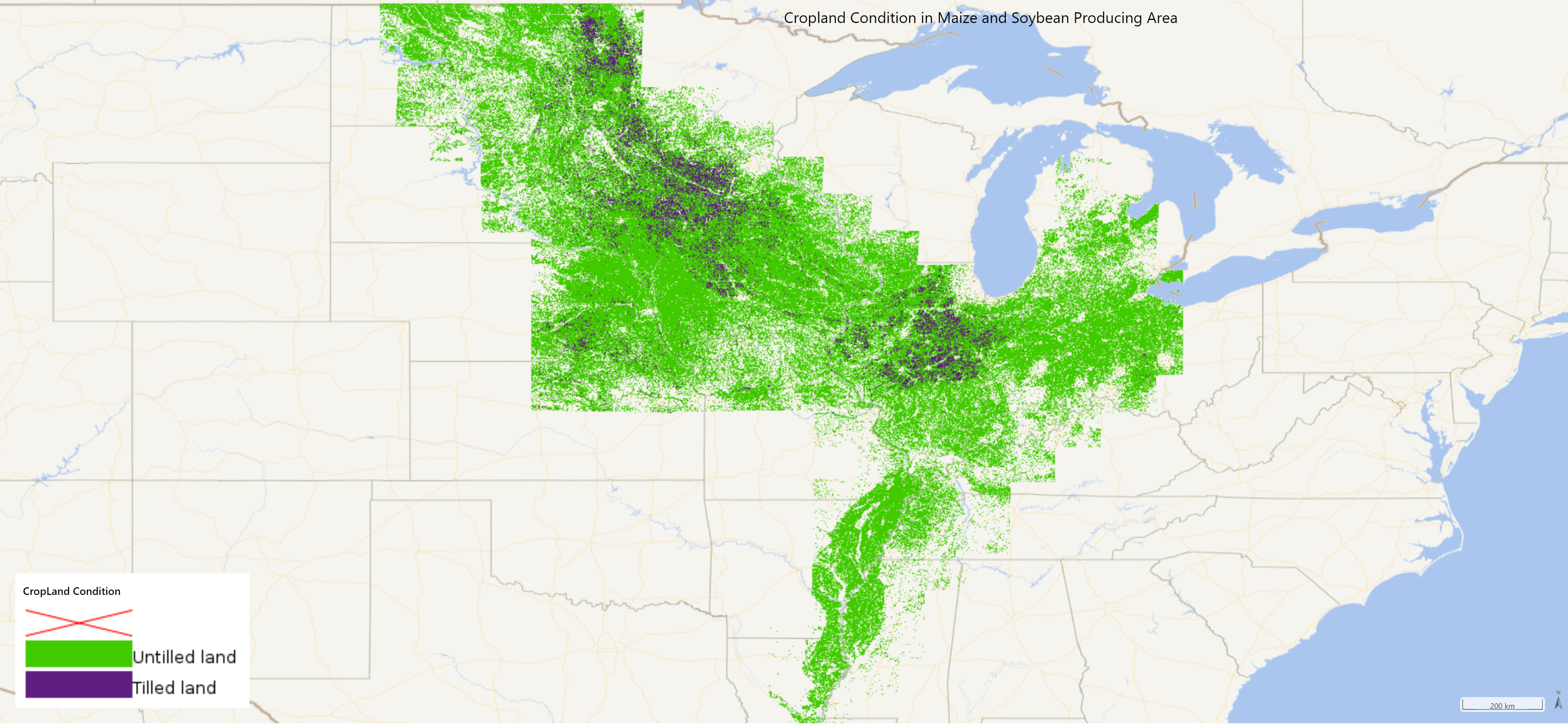
Fig 1 Tillage status map of maize and soybean growing areas in the U.S. great plains
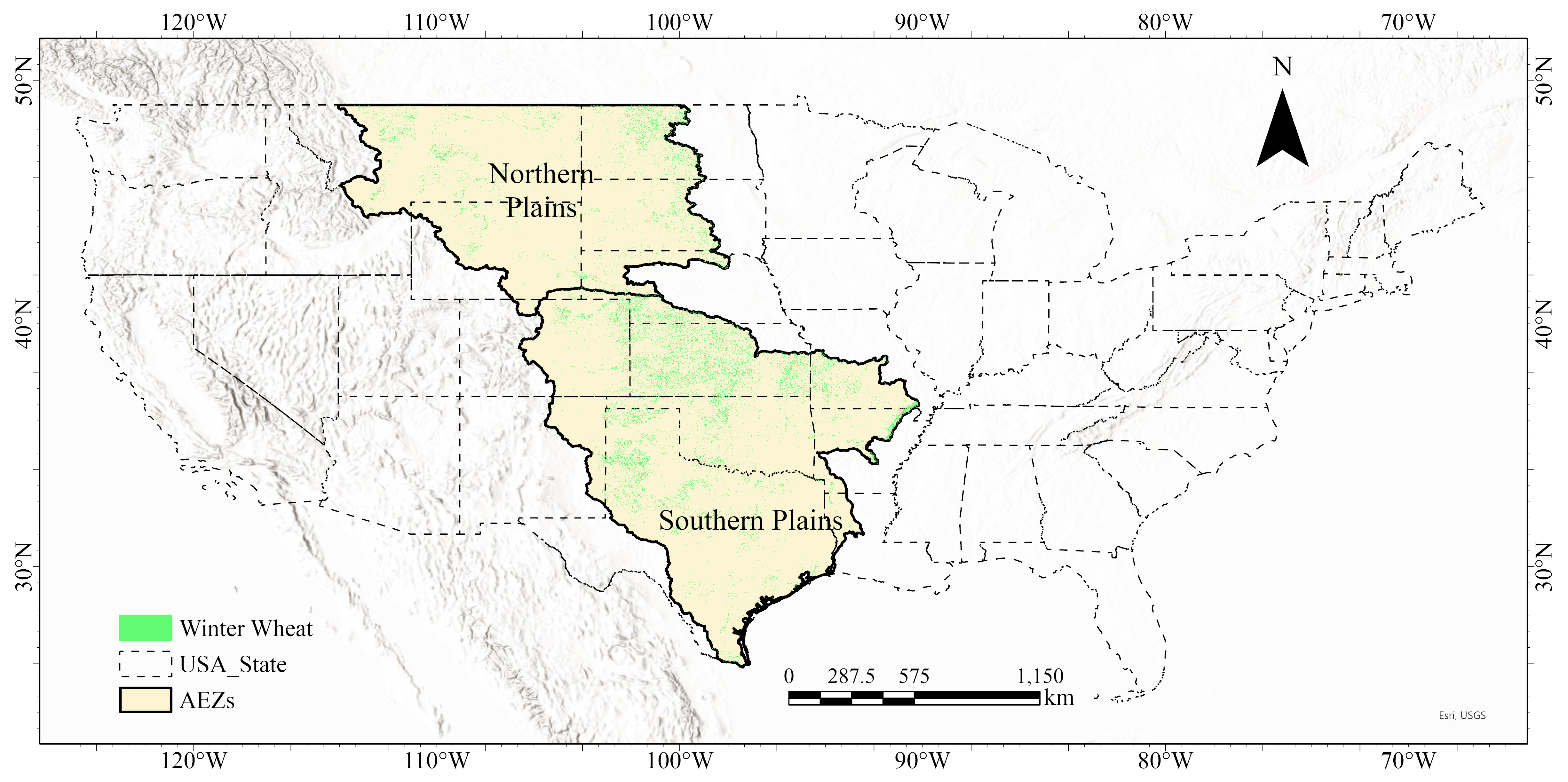
Fig 2 Map of winter wheat spatial distribution in the southern plains and northern plains