
 English
 中文

Bulletin
CropWatch bulletinMenu
Authors: air_panqc | Edit: qinxl
During January to March 2025, summer rice and maize were harvested by January, while winter rice transitioned from the sowing phase to the growth stage. Wheat gradually moved from the growth period toward maturity.
Remote sensing monitoring results indicate that India's wheat planting area for 2025 is approximately 34,737.9 thousand hectares, showing an overall expansion trend with a 6% increase. From the perspective of agricultural ecological zones, the planting area in the main wheat-producing regions saw significant increases, particularly in the Gangetic plain region, where the increase reached 22.6%, likely benefiting from favorable irrigation conditions. In contrast, the North-western dry region experienced a smaller increase of 3.62%, while the Central region saw a decline of 10.42%, possibly due to consistently below-average rainfall.
This year, India's wheat yield per hectare has decreased significantly compared to last year, standing at 4.98 tons/hectare, a year-on-year drop of 13.12%. Agricultural climate indicators reveal severe high-temperature drought conditions during the monitoring period, with rainfall falling far below the 15-year average by 47.08%, while temperature increased by 2.17 ℃. These extreme weather conditions severely impacted critical growth stages of wheat, depriving it of favorable growing conditions.
From agricultural ecological zones perspective, wheat yields generally declined across main production areas. Specifically, the Gangetic plain region and Central region experienced yield drops of 15.22% and 13.72%, respectively. Compared to the 15-year average, rainfall in these regions decreased by 76.91% and 98.13%, while temperature rose by 1.8 ℃ and 2.08 ℃. The severity of high-temperature drought in these areas is historically unprecedented. ADAC Index values for both regions were -41.44% and -73.46, indicating agricultural droughts occurred. In the North-western dry region, rainfall decreased by 77.18%, but with an ADAC Index of -100%, no agricultural drought occurred there, and yield levels remained largely stable compared to last year (-0.5%). Additionally, partial wheat-growing areas in the Western Himalayan region saw significant yield declines of 26.53%. The ADAC Index for this area was -35.19%, reflecting severe agricultural drought conditions.
Overall, India's wheat production is expected to decrease by 7.84% year-on-year, reaching 17,317.5 million tons, with a reduction of 1,473.9 million tons in output.
In summary, the unfavorable high-temperature drought conditions during the monitoring period significantly impacted India's wheat production. Despite minimal changes in overall planting area, a notable decline in yield per hectare led to reduced total production.
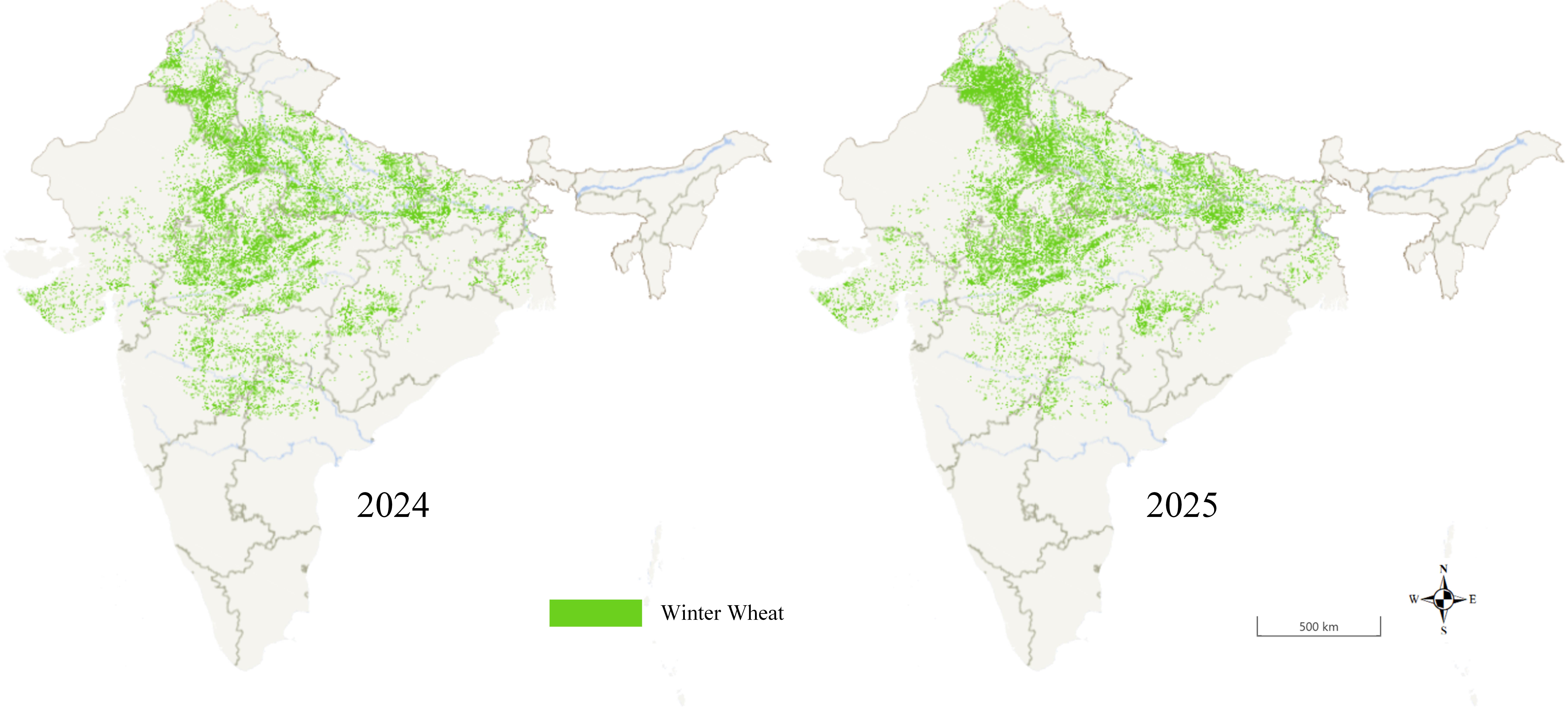
Figure.1 Distribution of Winter Wheat in India in 2024 and 2025
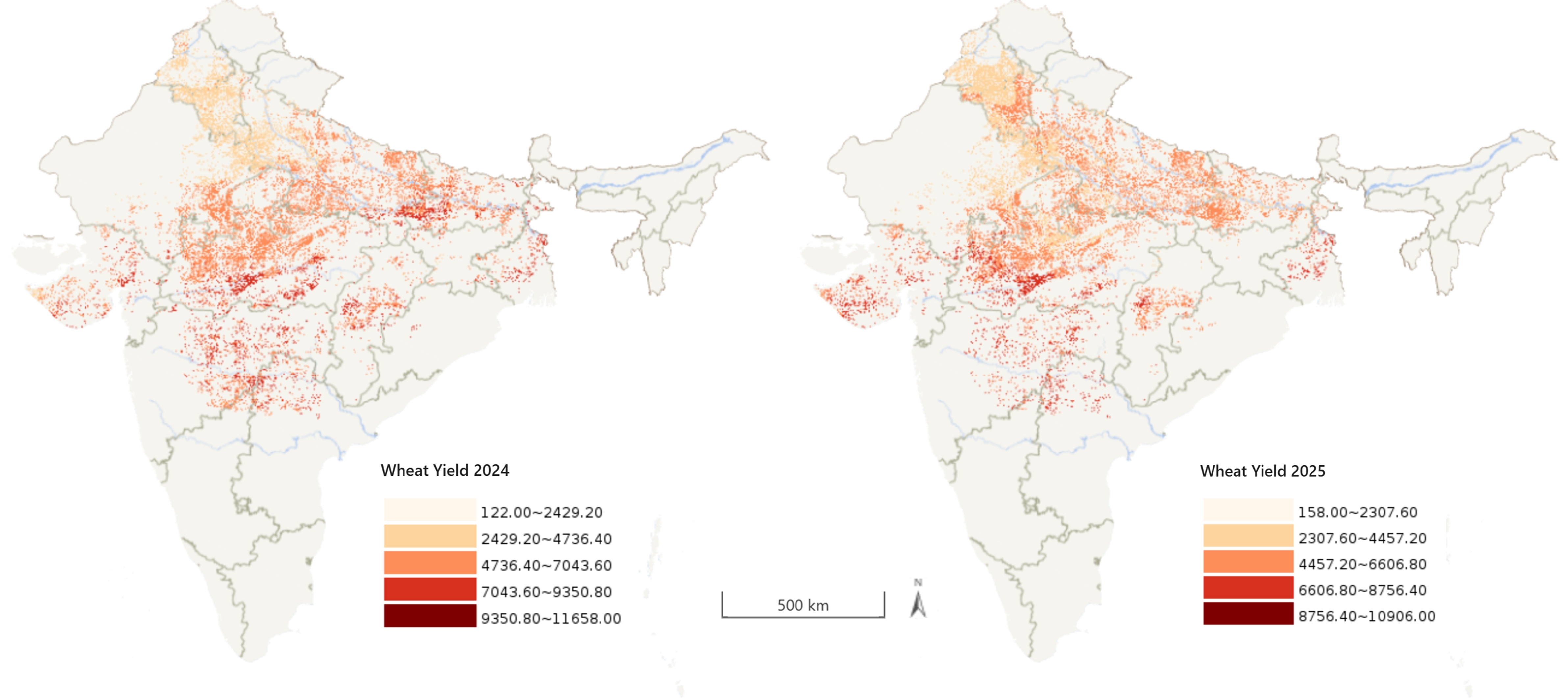
Figure.2 Distribution of Winter Wheat Yield in India in 2024 and 2025