
 English
 中文

Bulletin
CropWatch bulletinMenu
Authors: MH18174088459 | Edit: qinxl
Desert Locusts
According to the FAO Desert Locust Bulletins Nos. 556–558, desert locust infestations persisted from January to March 2025, primarily affecting Sudan, Eritrea, Saudi Arabia, and regions south of the Sahara. In January, locusts concentrated and bred along the Nile Valley, the Red Sea coast, and the northern Sahel, forming numerous groups amid significantly intensified control operations. In February, although swarm numbers along the Red Sea coast declined, breeding activities continued in inland areas of Sudan, Egypt, and Saudi Arabia, while locust populations increased in Algeria, Libya, and Chad. By March, infestations had expanded into northwest Africa. Following rainfall events, spring breeding commenced in Algeria, Libya, Tunisia, and Morocco, leading to the formation of new hopper groups and small bands. Although locust populations in eastern regions (Iran, Pakistan, and India) remained at low levels, continued surveillance and control measures are required in affected areas to prevent further expansion of locust populations during the spring season.
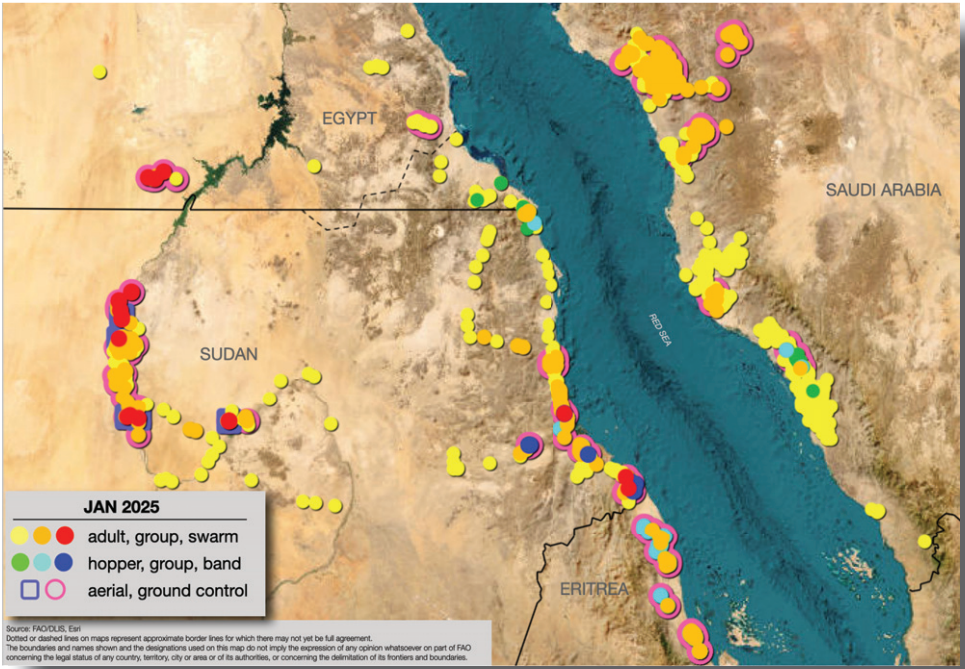

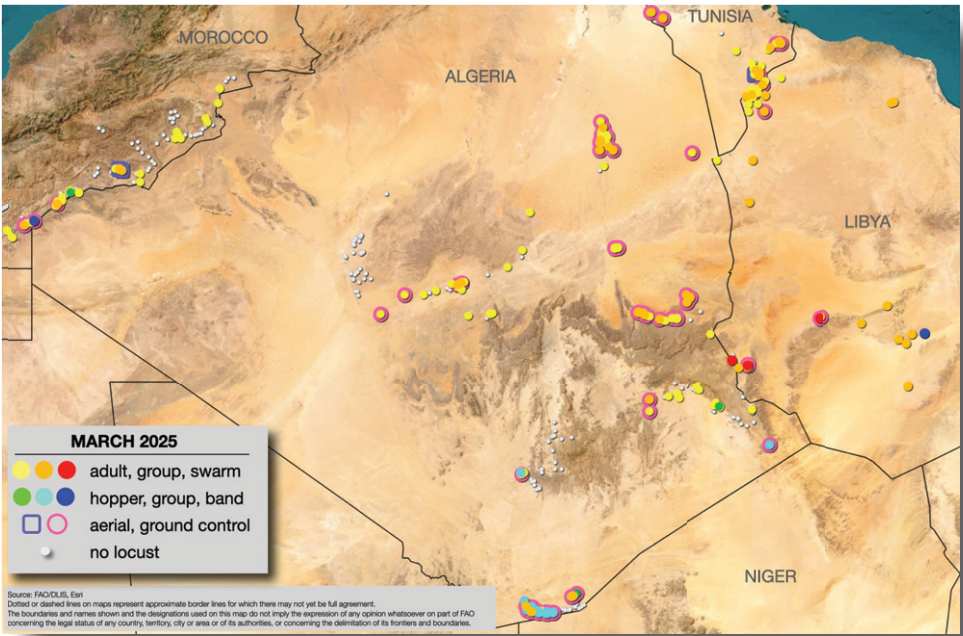
Figure A2.1. The Distribution of Desert Locusts from January 2025 to March 2025 (https://www.fao.org/locust-watch/en)

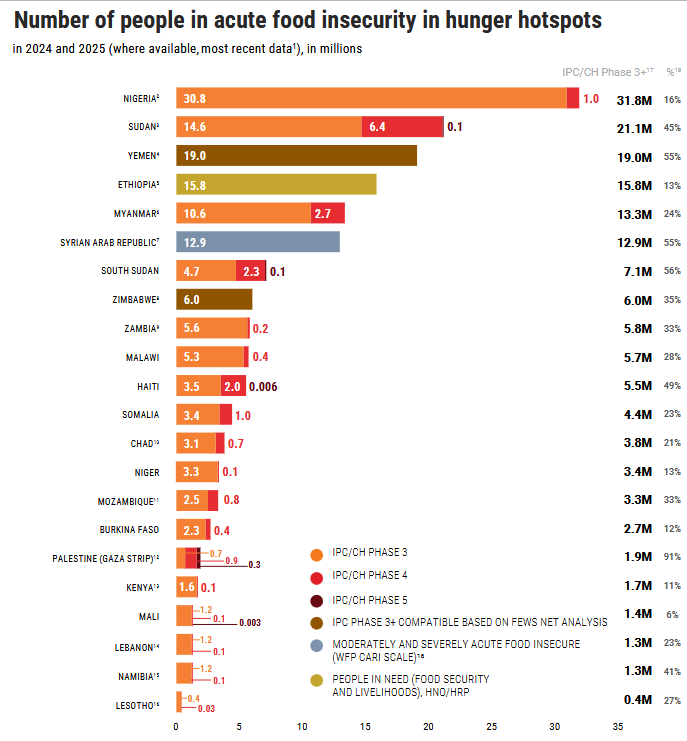
Figure A2.2 Countries and Regions with Food Insecurity from November 2024 to May 2025 Released by WFP and FAO
Early Warning for Severely Food Insecure Areas
Recently, the Food and Agriculture Organization of the United Nations (FAO) and the World Food Programme (WFP) jointly released the "Hunger Hotspots: FAO-WFP early warnings on acute food insecurity, November 2024 to May 2025 Outlook". The content shows that the severe food insecurity situation in 22 countries and regions will worsen both in scale and severity. The hotspots requiring the highest level of attention include Sudan, Palestine, South Sudan, Haiti, and Mali. There is a risk of famine or actual famine in these regions, and some of the population is in a state of disaster.
The hotspots that require a high level of attention include Chad, Lebanon, Mozambique, Myanmar, Nigeria, Syria, and Yemen. A large number of people in these regions are facing or are expected to face severe acute food insecurity, and the situation is severe.
The factors contributing to food insecurity include the La Niña phenomenon, which increases the risks of drought, floods, and hurricanes in some regions. There are differences in global economic growth, and developing countries are facing poverty and debt problems. In 2024, humanitarian funding decreased for the second consecutive year, there is a large gap in the funding requirements of the food security sector, and armed violent conflicts have led to the disruption of the food system and population displacement, among other issues.
Monitoring should be strengthened, assistance should be provided, and people's livelihoods should be improved. Although countries and regions such as Afghanistan, Rohingya refugees in Bangladesh, and some countries in Central America have not been listed as hotspots, their food security situations are worthy of attention and require continuous monitoring.