
 English
 中文

Bulletin
CropWatch bulletinMenu
Authors: tianfuyou,MH18174088459 | Edit: lirui
During this monitoring period, the overall agricultural meteorological conditions in the United States were relatively favorable, providing a good environmental support for the growth of winter wheat. Integrated remote sensing and meteorological data show that the photosynthetically active radiation (PAR) across the country was 5% higher than the average of the past 15 years, the average temperature was 1.3°C higher, and the accumulated precipitation was 6% higher. All three factors were at suitable levels, which helped promote crop photosynthesis and material accumulation.
However, regional differences remained significant, with the northern Great Plains being the key area limiting yield. Precipitation in this region was 11% lower than the long-term average, affecting the normal development of winter wheat. Analysis of the remote sensing NDVI (Normalized Difference Vegetation Index) time series indicates that the NDVI in this area was lower than the level of the same period in 2024 throughout the monitoring period, indicating poor crop growth. The crop production situation index was only 0.88, showing that crop production was suppressed and there was limited room for yield improvement. Meanwhile, the lower precipitation delayed the sowing progress, with the proportion of cultivated land planted being 14% lower than the same period in previous years.
In contrast, the southern Great Plains had favorable water and heat conditions, with sufficient sunlight (+9%), moderate precipitation (+2%), and favorable temperatures (+2.3°C), which laid the foundation for high yield. Remote sensing monitoring data show that since April, the NDVI in this region has been significantly higher than that of the same period in 2024, reflecting a good growth status. The crop production situation index was as high as 1.24, indicating that the crop production situation was better than the average level and was the main contributing area for the increase in national yield per unit area.
Against this backdrop, the predicted average yield of winter wheat in the United States in 2025 is 5,715 kilograms per hectare, an increase of 3.39% year-on-year. The increase mainly comes from the improved yield per unit area in the southern main production areas. However, due to a 3.07% year-on-year decrease in the planted area of winter wheat across the United States, the further expansion of total output was somewhat limited. Taking into account the changes in yield per unit area and planted area, the predicted total output of winter wheat in the United States in 2025 is 74.77 million tons, basically the same as in 2024, with a slight increase of 0.21%.
Affected by regional heavy rainfall, the planting progress in the soybean and corn main production areas of the United States was delayed, with the sown area being 11% lower than in previous years. Since May this year, the central and western production areas have generally experienced more precipitation than the climatological average, slowing down the previously fast sowing pace. In June, excessive rainfall in Minnesota and Missouri and other production areas continued to drag down the national planting progress. The northern Great Plains and the eastern Corn Belt experienced unusually active rainfall. The situation in 2019, when continuous low temperatures and heavy rain during the sowing stage led to a large amount of land being abandoned, may recur. The shortened growing period may have an adverse impact on the final corn yield.
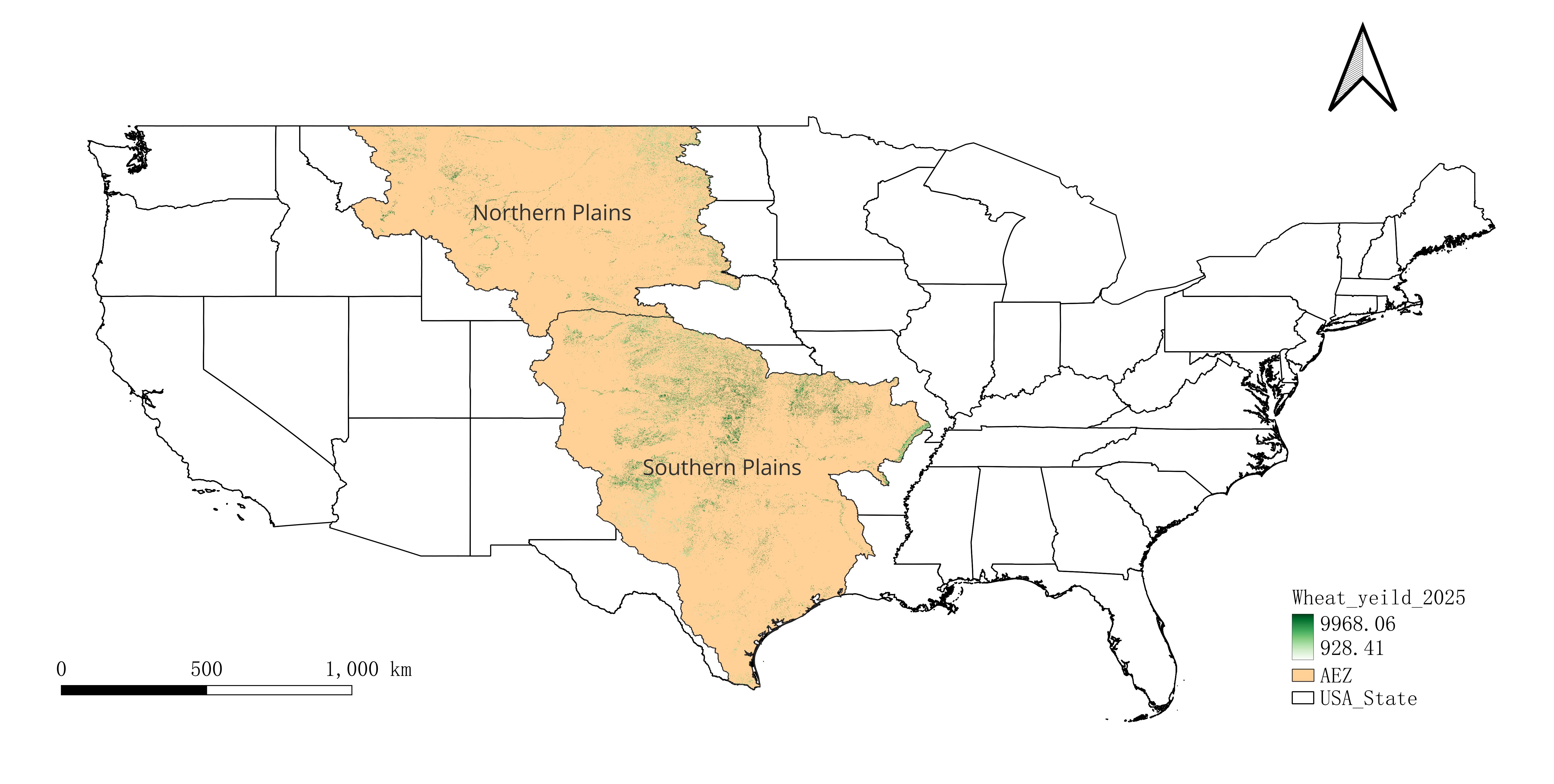
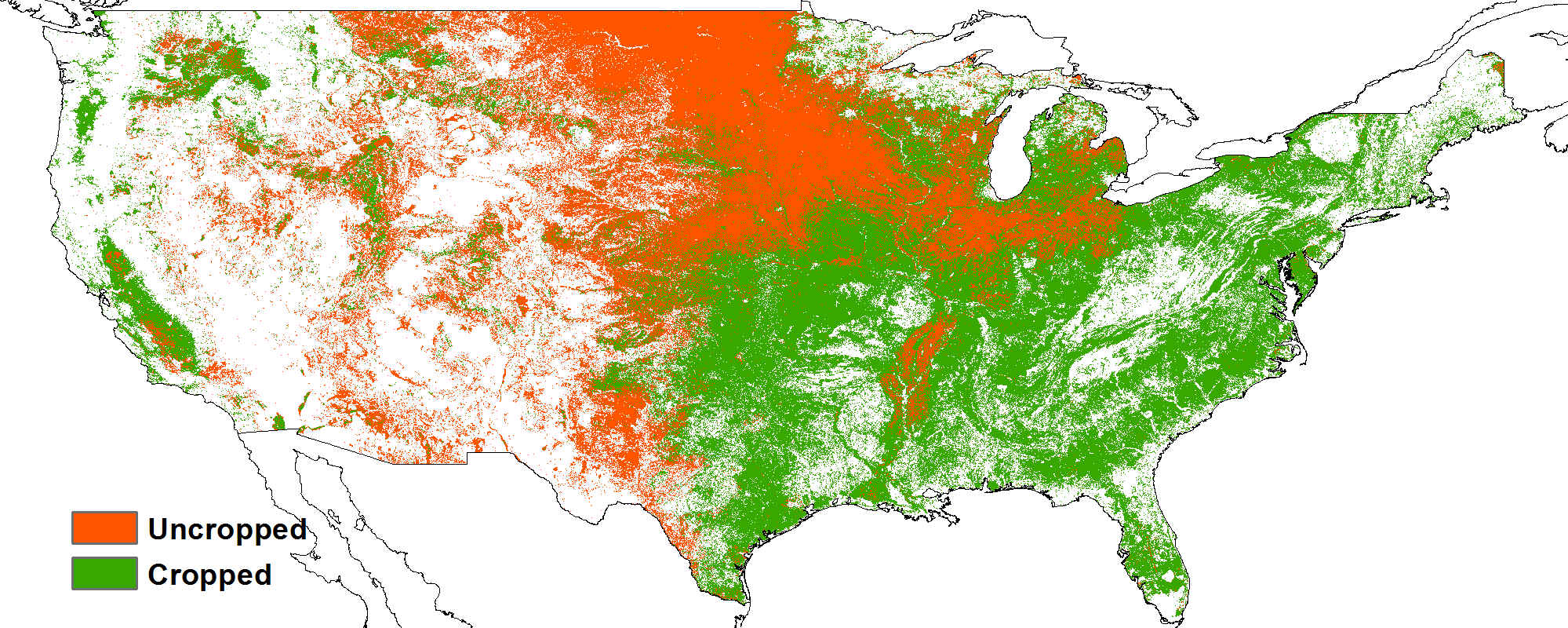
Figure 1 Wheat Yield Pattern and Sowing Area over the United States during March-May in 2025