
 English
 中文

Bulletin
CropWatch bulletinMenu
Authors: tianfuyou | Edit: lirui
From March to May 2025, a critical period for wheat growth in Ukraine, the country experienced a drier - than - usual spring. The precipitation was only 173.1 millimeters, 15% lower than the 15 - year average. Along with the insufficient rainfall, the weather was slightly warmer, with an average temperature of 9.5°C, 1.2°C higher than the historical average. However, the level of photosynthetically active radiation was favorable, increasing by 5% compared to the 15 - year average. Despite the challenging climatic conditions, the Maximum Vegetation Condition Index (VCIx) remained strong at 0.82, indicating that the overall health of the crops was good.
From 2024 to 2025, there were significant changes in the planting area, yield per unit area, and total output of wheat in Ukraine. The planting area of wheat increased from 5747 thousand hectares in 2024 to 6223 thousand hectares in 2025, a rise of 8%, showing an expansion in the scale of cultivation. However, the yield per unit area dropped from 8558 kilograms per hectare to 7655 kilograms per hectare, a decrease of 11%, which might be due to factors related to field management. In terms of output, it decreased from 49180 thousand tons in 2024 to 47640 thousand tons in 2025, a drop of 3%. The increase in planting area was not enough to offset the loss caused by the decline in yield per unit area.
The Russia - Ukraine conflict has had a profound impact on Ukraine's agriculture. The conflict has led to the destruction of infrastructure and the decline of industry in Ukraine, with the GDP falling by about 20% compared to before the conflict. In the agricultural sector, the blockade of the Black Sea shipping routes has caused a 54% drop in Ukraine's agricultural product export capacity. Political instability and a lack of human resources have led to a decline in the quality of field management, which directly contributed to the decline in output.
Looking ahead, despite numerous challenges, Ukraine's agriculture still has the potential to increase production. To achieve this goal, it is necessary to strengthen training in planting techniques, optimize irrigation and fertilization measures, and enhance pest and disease control efforts to enhance the resilience of agriculture. This will help ensure food security and market stability.
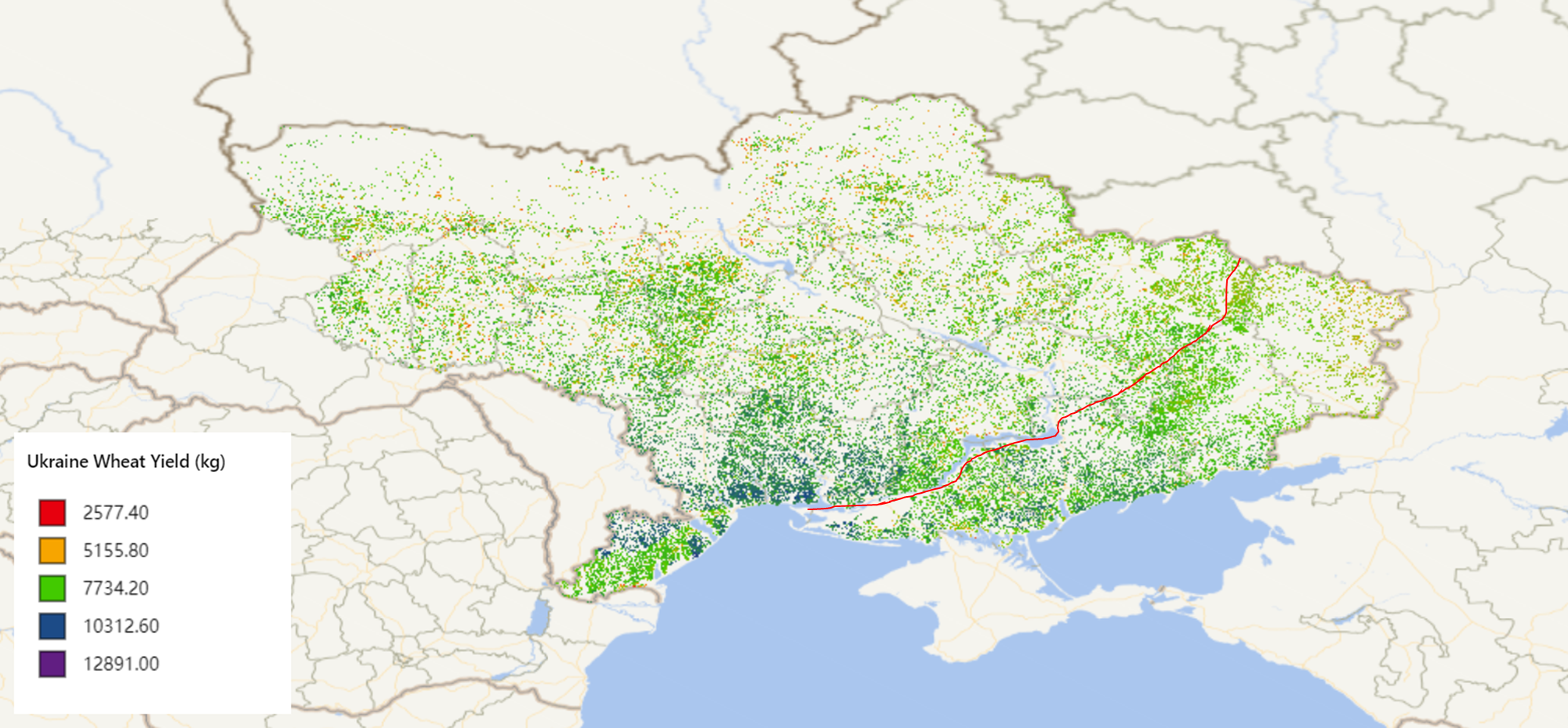
Figure 1. Spatial Pattern of Winter Wheat for Ukraine in 2025