
 English
 中文

Bulletin
CropWatch bulletinMenu
Authors: Wangyixuan | Edit: Miao
During the current monitoring period (May–July), agro-climatic conditions in Canada shifted unfavorably, exerting a significant negative impact on spring wheat growth. According to CropWatch monitoring, rainfall was 5% below the fifteen-year average, while temperature was 0.3 °C lower. The deficit in key water–heat conditions limited photosynthesis, resulting in a 4% reduction in potential national biomass.
The main spring wheat-producing areas became the epicenter of drought. Rainfall in these regions dropped by 31% compared with the fifteen-year average, leading to severe drought, with the Palmer Drought Severity Index (PDSI) falling to –3.25. NDVI anomaly maps show that the core region—covering nearly 29% of Canada’s cropland—remained in persistent negative anomaly throughout the monitoring period, reaching the lowest point in June, indicating severely depressed crop conditions. This extreme water stress caused potential biomass in the core zone to plummet by 17%, decisively reducing spring wheat yields.
Canada’s wheat yield in 2025, dominated by spring wheat, is predicted at 4053 kg/ha, down 2.4%. The national yield decline is almost entirely attributable to disastrous weather in the main production regions. At the same time, influenced by market signals and concerns over prolonged drought risk, wheat planted area also contracted by 1.2%. Taking into account both yield and area reductions, Canada’s total wheat output in 2025 is projected 3.5% lower than in 2024. This decline highlights not only Canada’s domestic agricultural challenges, but also a key factor that could further tighten global grain supply and increase market volatility.
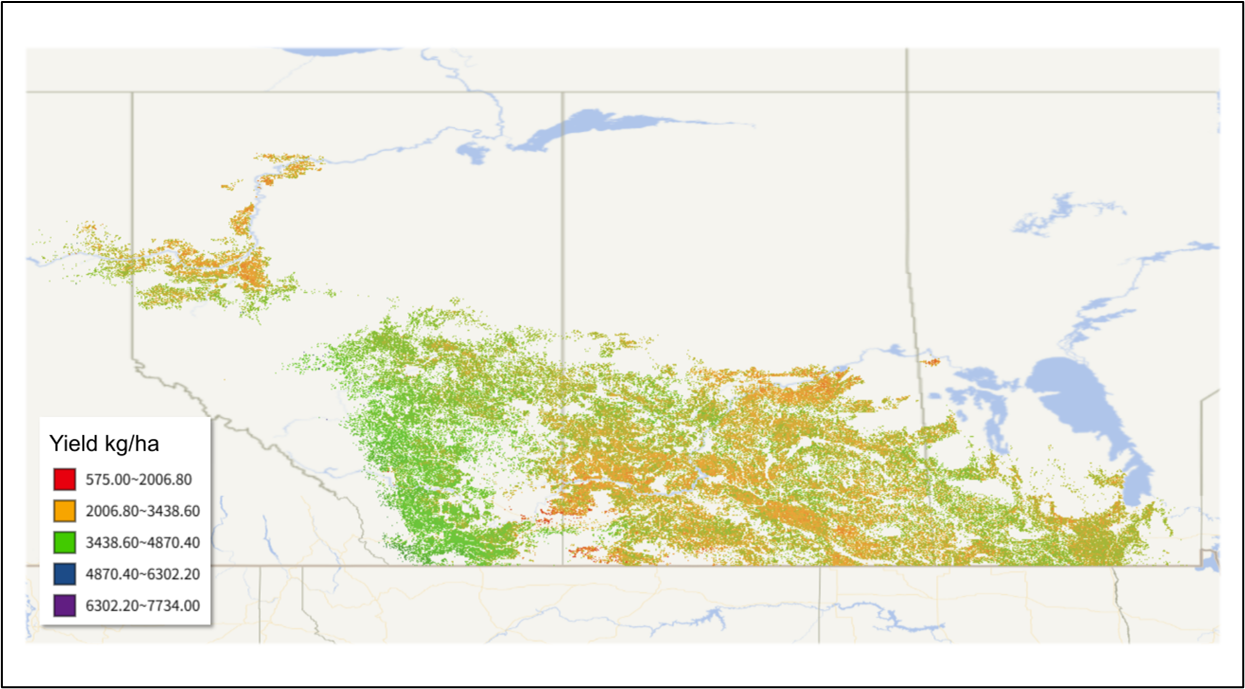
Figure 2.10 Yield forecast for wheat in Canada, 2025