
 English
 中文

Bulletin
CropWatch bulletinMenu
Authors: Jingkangjian | Edit: Miao
According to CropWatch monitoring, the dry-season rice production in Indonesia's major producing areas showed a positive growth trend in 2025. The rice planted area in 2025 reached 3,337 thousand hectares, a slight increase of 0.2% compared with 3,332 thousand hectares in 2024; the yield rose from 5.87 tons per hectare to 6.13 tons per hectare, an increase of 4.5%; the dry-season rice output grew from 19.57 million tons in 2024 to 20.48 million tons, an increase of 4.7%.
The improvement of climatic conditions in 2025 laid the foundation for a good rice harvest: the extended rainy season and increased precipitation in the dry season in 2025 stand in sharp contrast to the drought and water crisis caused by the El Niño phenomenon in 2024. Meanwhile, a series of strong support policies implemented by the Indonesian government to achieve the goal of food self-sufficiency are also key factors driving the growth of rice production. The main measures include increasing the purchase price of paddy rice, expanding domestic procurement targets, proposing a plan to develop 2 million hectares of new farmland, providing assistance to farmers, and improving agricultural infrastructure.
In summary, the growth of dry-season rice production in Indonesia's major producing areas in 2025 benefits from the combined effect of favorable climatic conditions and strong government policy support. These factors have effectively promoted a substantial increase in yield, thereby driving a significant growth in total output.
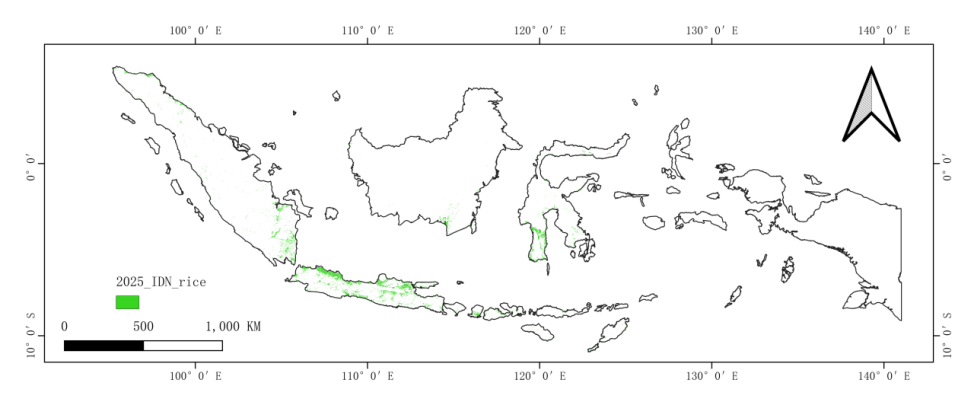
Figure 2.12 Distribution of Dry-Season Rice in Indonesia, 2025

Figure 2.13 Distribution of Dry-Season Rice Yield in Indonesia, 2025