
 English
 中文

Bulletin
CropWatch bulletinMenu
Authors: tianfuyou | Edit: zenghongwei
Here’s the revised version with “corn” changed to “maize” throughout:
According to CropWatch monitoring, during July–September 2025, Ukrainian agriculture exhibited pronounced regional disparities under the combined pressures of extreme drought and ongoing conflict. Crop growth was poor in the southern regions but remained favorable in the north. Nationally, average precipitation reached only 86 mm, representing a 36% decrease compared to the 15-year average, while the mean temperature was 20.3℃, slightly above normal by 0.5℃. The combination of reduced rainfall and higher temperatures accelerated soil moisture depletion. The southeastern belt—from the lower Dnieper River to the Kherson–Mykolaiv line, Ukraine’s largest irrigated agricultural area—experienced the most severe drought, with crop yields over 30% lower than in the northwestern regions, showing a strong correspondence between precipitation deficits and low yields.
During this period, Ukraine’s maize planting area expanded to 5,564 thousand hectares, a year-on-year increase of 5.8%. Performance varied markedly across production areas: the maximum vegetation condition index (VCIx) values were 0.91 in the northern wheat region and 0.90 in the Carpathian uplands, whereas the southern wheat and maize regions recorded only 0.47. In the central Dnieper irrigation zone, maize yields remained at 7–10 t/ha, serving as a “stabilizer” for national output. Conversely, conflict-affected areas such as northern Crimea and Kherson, where irrigation infrastructure was damaged and labor was limited, achieved yields below 70% of the national average. Overall, the national average yield slightly increased to 7.86 t/ha (+1.2%).
The concurrent rise in planting area and yield resulted in a total maize production of 43.73 million tons (+7.1%), marking a record output since the onset of the Russia–Ukraine conflict. Nevertheless, drought and conflict continue to threaten the southern key production zones. Future yield gains will increasingly rely on the central irrigated areas, highlighting the vulnerability of Ukraine’s agricultural ecosystem in conflict-affected regions.

Figure 2.16: Spatial Distribution of maize yield in Ukraine, 2025
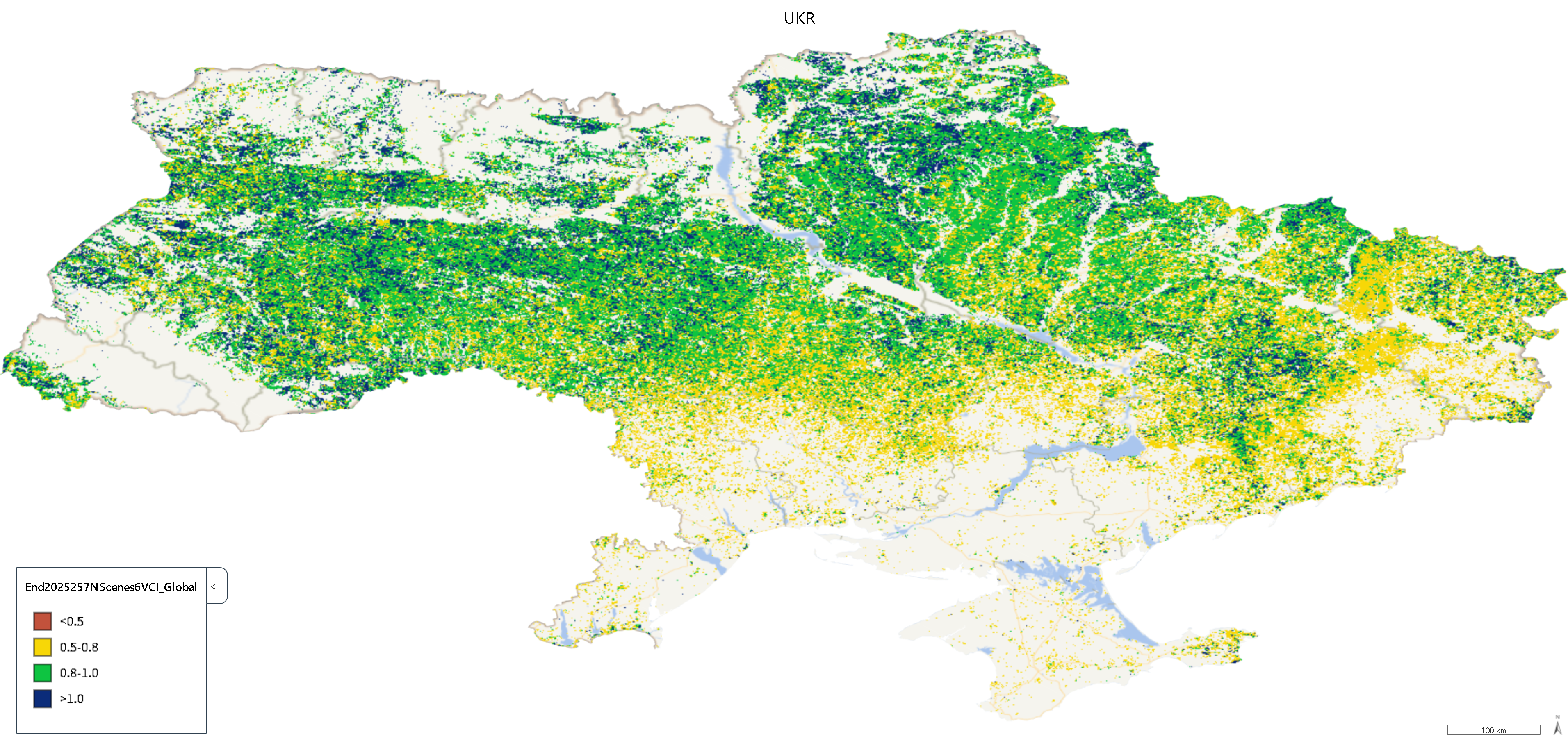
Figure 2.17 Spatial Distribution of VCIx in Ukraine from July to September 2025