
 English
 中文

Bulletin
CropWatch bulletinMenu
Authors: Wangyixuan | Edit: zenghongwei
CropWatch monitoring indicates that wheat production in Brazil’s major growing regions showed a declining trend in 2025. The wheat-planted area reached 1.529 million hectares, down 5.72% from 1.621 million hectares in 2024. Average yield also fell from 3.11 t/ha in 2024 to 3.04 t/ha, a 2.16% decrease. Combined reductions in both area and yield are expected to reduce total wheat production from 5.04 million tons in 2024 to 4.65 million tons in 2025, a year-on-year decline of approximately 7.75%.
The factors behind the 2025 production decrease are complex. First, CropWatch monitoring shows that the cropped arable land fraction (CALF) fell 5% below the five-year average, consistent with the trend of shrinking planting area. Second, unfavorable agro-climatic conditions were the main driver of yield decline. For instance, in Brazil’s key wheat-producing region—the southern state of Rio Grande do Sul, which accounts for a large share of wheat planted from July to September—CropWatch agro-climatic indicators show that precipitation (RAIN) was 31% below the 15-year average, and the crop experienced severe drought during critical growth stages. Water stress reduced potential biomass (BIOMASS) by 14% relative to the 15-year average.
Economic factors also constrained planting decisions of farmer. According to reports from Brazil agricultural authorities, in 2025 farmers faced rising costs for inputs such as fertilizers and seeds, coupled with low domestic wheat prices, significantly squeezing profit margins. Compared with higher-return crops like soybeans and maize, wheat became less attractive, leading many farmers to reduce planted areas.
In summary, the decline in Brazil wheat production in 2025 resulted from the combined effects of drought stress in Rio Grande do Sul and an unfavorable market and economic environment.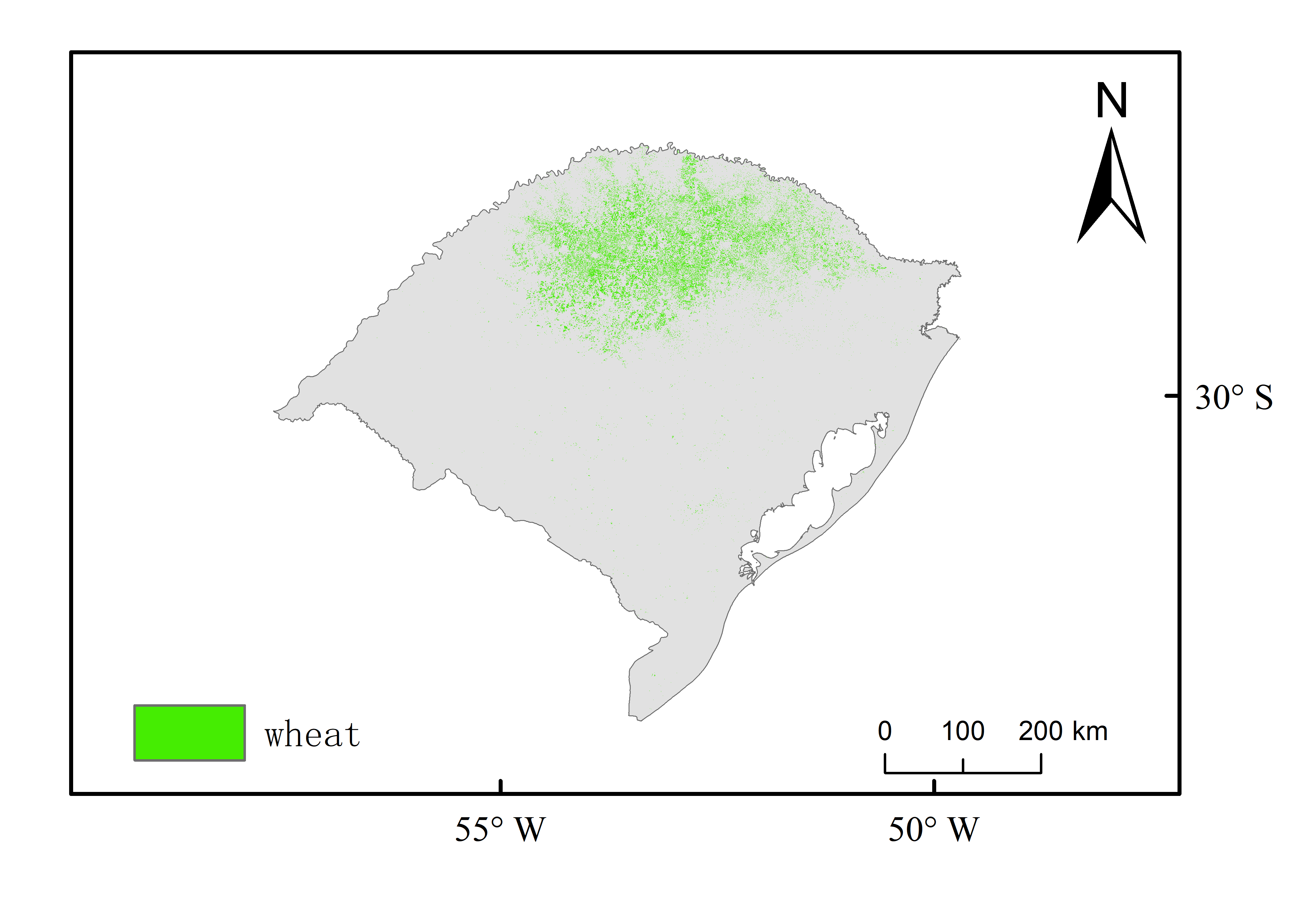
Figure 2.6. Spatial distribution of wheat-planted area in Rio Grande do Sul, Brazil, 2025
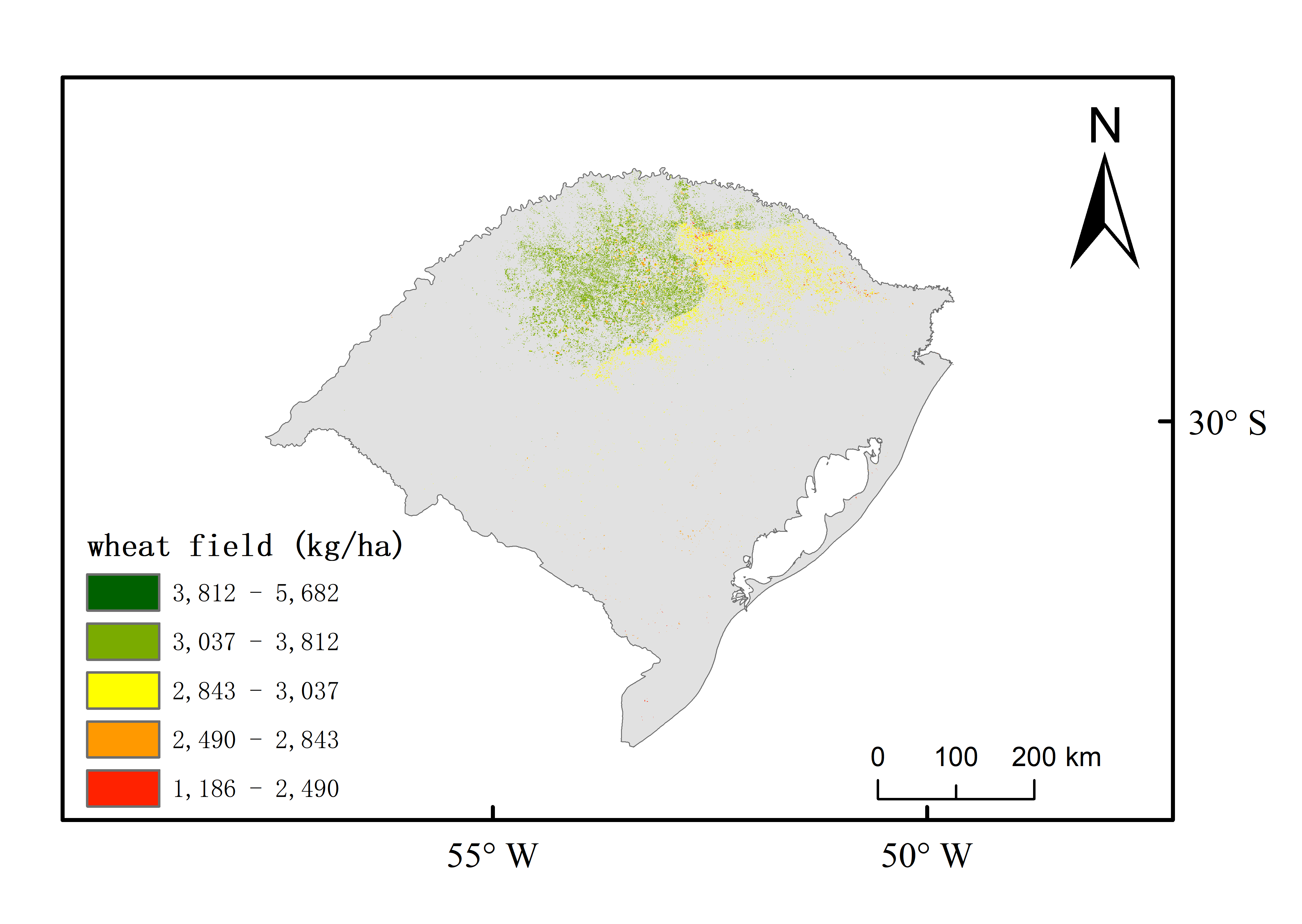
Figure 2.7. Spatial distribution of wheat yield in Rio Grande do Sul, Brazil, 2025