
 English
 中文

Bulletin
CropWatch bulletinMenu
Authors: qinxl | Edit: qinxl
During the monitoring period (July–September 2026), major summer grain crops in the Northern Hemisphere shifted from growth and yield formation to maturation and harvest, Southern Hemisphere winter wheat was still growing, and different crop seasons progressed in interleaved fashion across the tropics. The global CroPI-7 was 1.12, above the baseline and the 1.05 of the same period in 2025; the Northern Hemisphere, the Southern Hemisphere and the tropics stood at 1.10, 1.25 and 1.08, respectively (Figure 1.1). Spatially, the global situation was favorable overall, but differences within the major production regions remained pronounced: the US Corn Belt, China's main autumn-grain regions and the main rice zones of the Indochinese Peninsula were generally close to average to slightly favorable, and the major agricultural regions of South America and the southeastern wheat belt of Australia were favorable; the French plains–Massif Central, the Pannonian Plain, the northern fringe of the West African Sahel and the northwestern arid agricultural zone of South Asia were the more concentrated weak areas (Figure 1.2).
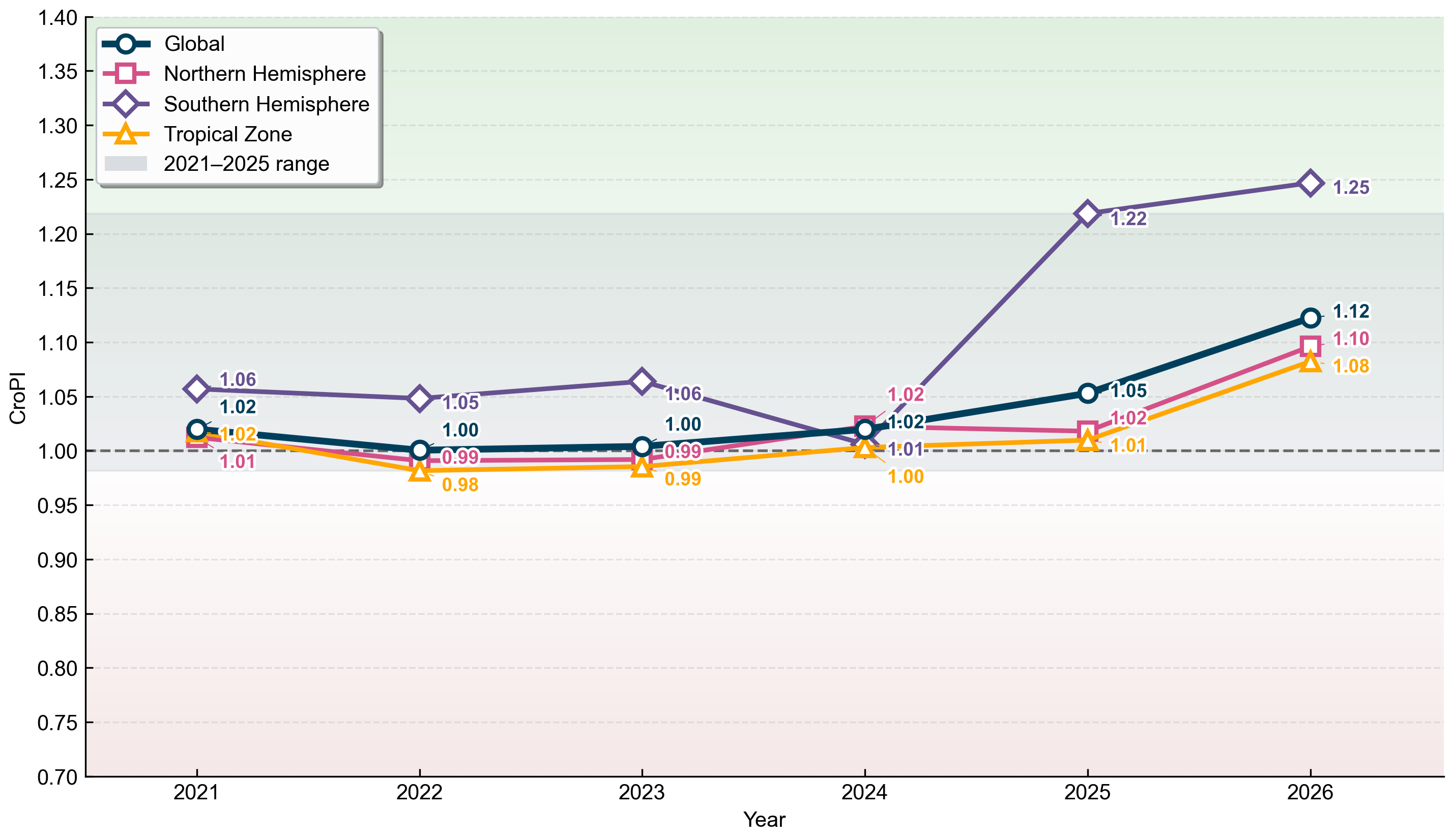
Figure 1.1 Time series of global and regional CroPI-7 (July–September), 2021–2026
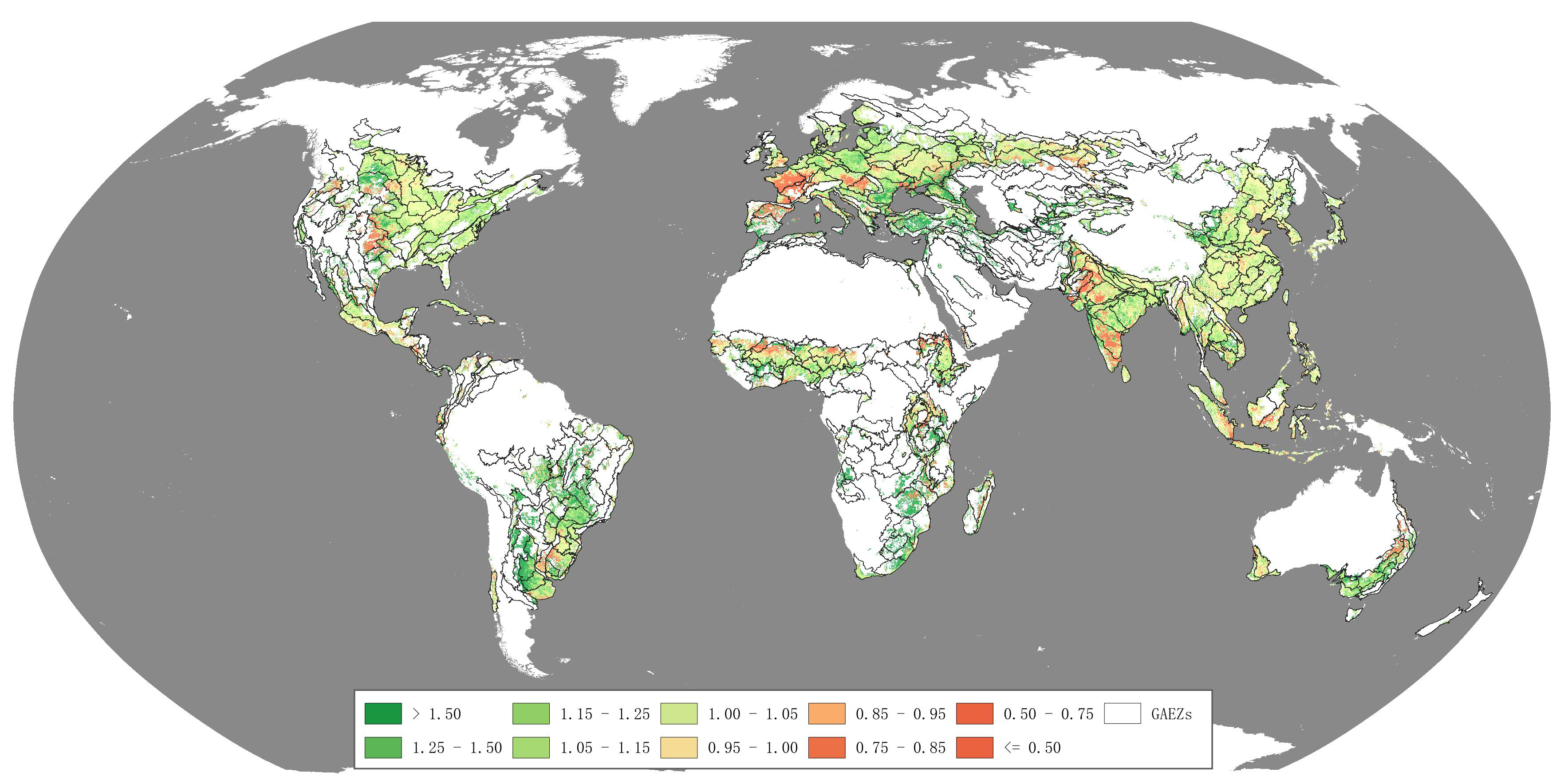
Figure 1.2 Spatial distribution of global CroPI-7, July–September 2026
During the monitoring period (July–September 2026), agroclimatic conditions across the world's major agricultural regions exhibited pronounced regional differences. Western Europe, southern North America, the West African Sahel belt and Central Asia received below-average rainfall with above-average temperatures and below-average potential biomass; rainfall and potential biomass were generally above average in the US Corn Belt, the Paraná basin of South America, the East European Plain and the middle Volga. In East Asia, the dry Huanghuaihai and the rainy, low-sunshine lower Yangtze of China stood out. The southern part of the South Asian peninsula, many parts of the Malay Archipelago and the main agricultural regions of the South American Pampas had below-average rainfall and potential biomass. Photosynthetically active radiation was above average in some farming areas of Western Europe, and below average over the lower Yangtze, the Indochinese Peninsula, most of South America and most of Southern Africa. Within Southern Africa and within the southeastern and southwestern wheat belts of Australia, agroclimatic conditions differed markedly (Figure 1.3).
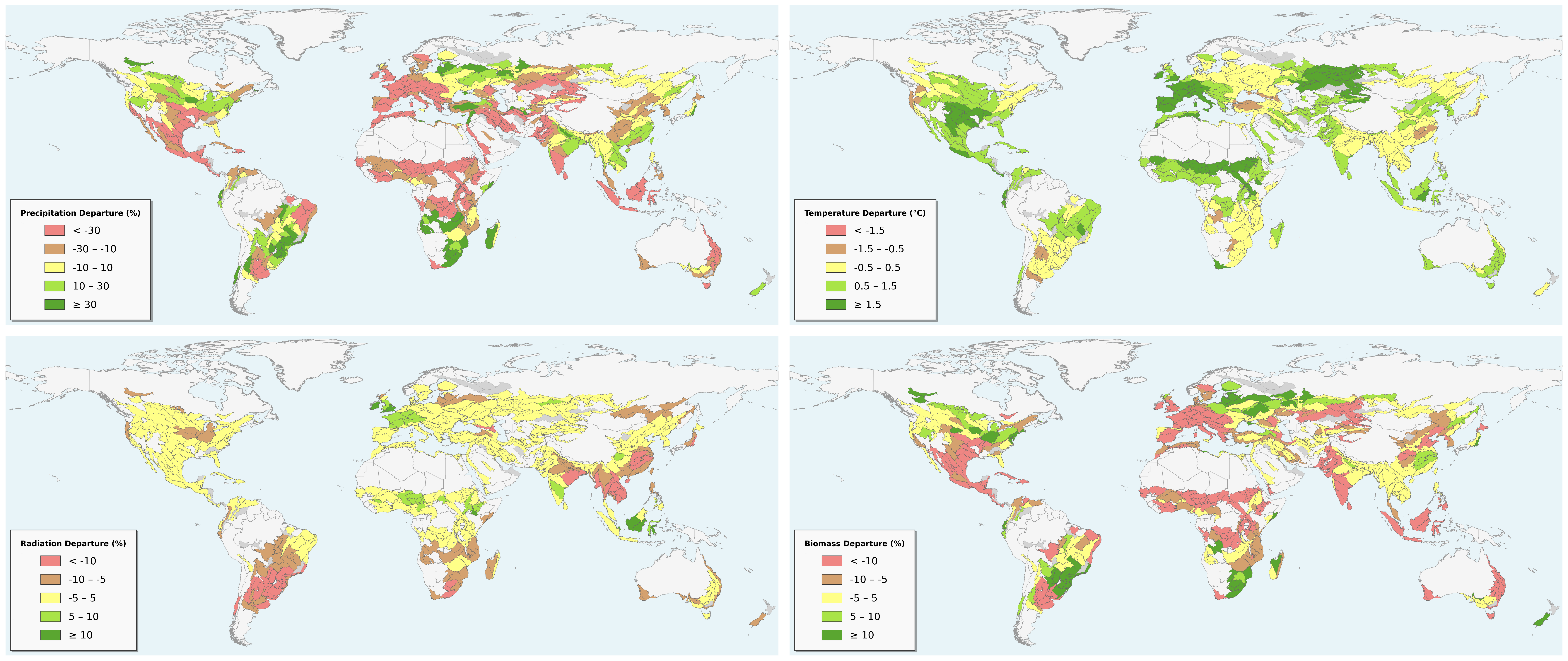
Figure 1.3 Agroclimatic indicators for July–September 2026 and departures from the 15-year average (accumulated rainfall, average temperature, photosynthetically active radiation, and potential biomass)